Top 10 Animals Without Tails (With Pictures)
“Animals Without Tails” takes you on a captivating journey to discover various species that thrive without this seemingly essential feature. This exploration is not just about the absence of a tail; it’s about survival, adaptation, and the extraordinary ways animals have evolved. Expect to learn fascinating facts about these remarkable creatures and understand their importance in maintaining ecological balance.
List Of Animals Without Tails
Below is the list of animals with no tails:
- Koala
- Guinea Pig
- Frogs and Toads
- Apes
- Barbary Macaque
- Manx Cat
- Capybara
- Spiders
- Kiwi Bird
- Octopus
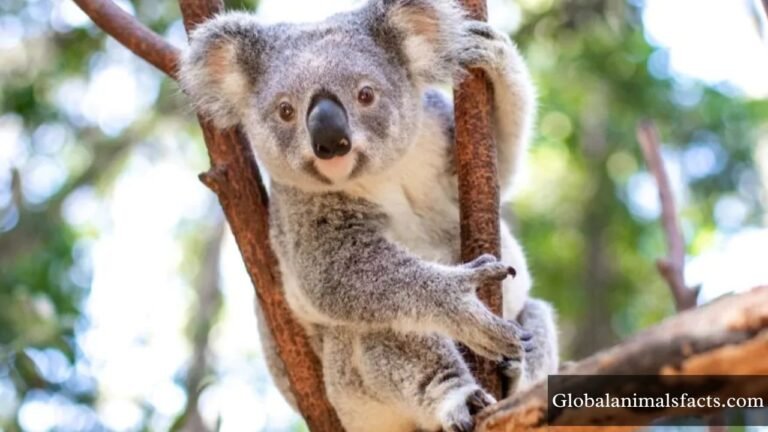
Koala
Scientific Name: Phascolarctos cinereus
Class: Mammalia
Diet: Herbivore
Koalas, those iconic Australian marsupials, are often recognized for their adorable faces and fuzzy ears, but their absence of long, visible tails adds a layer of intrigue to their anatomy. While a tail usually serves various functions in animals, from balance to communication, the koala has adapted beautifully without this appendage. Instead, they possess strong, clawed limbs designed for climbing and gripping eucalyptus trees – their primary habitat and food source. This unique adaptation allows them to thrive in their arboreal lifestyle, showcasing nature’s remarkable ability to tailor species to their environments.
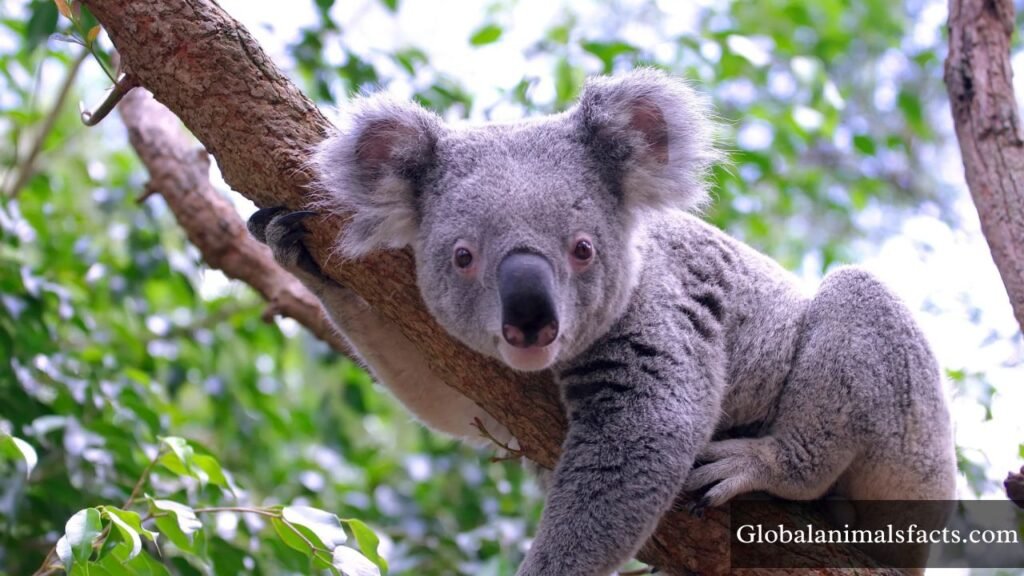
Moreover, the koala’s unassuming demeanor belies a complex social structure. These creatures are often perceived as solitary, yet they engage in nuanced vocalizations, especially during mating season. They produce a range of sounds, from deep bellows to shrill screams, which can echo through the forest. This rich communication hints at community dynamics that are easily overlooked. Their tail-less form becomes a poignant symbol of how evolution crafts specialized survival strategies, reminding us that every aspect of an animal’s design plays a vital role in its existence.
Guinea Pig
Scientific Name: Cavia porcellus
Class: Mammalia
Diet: Herbivore
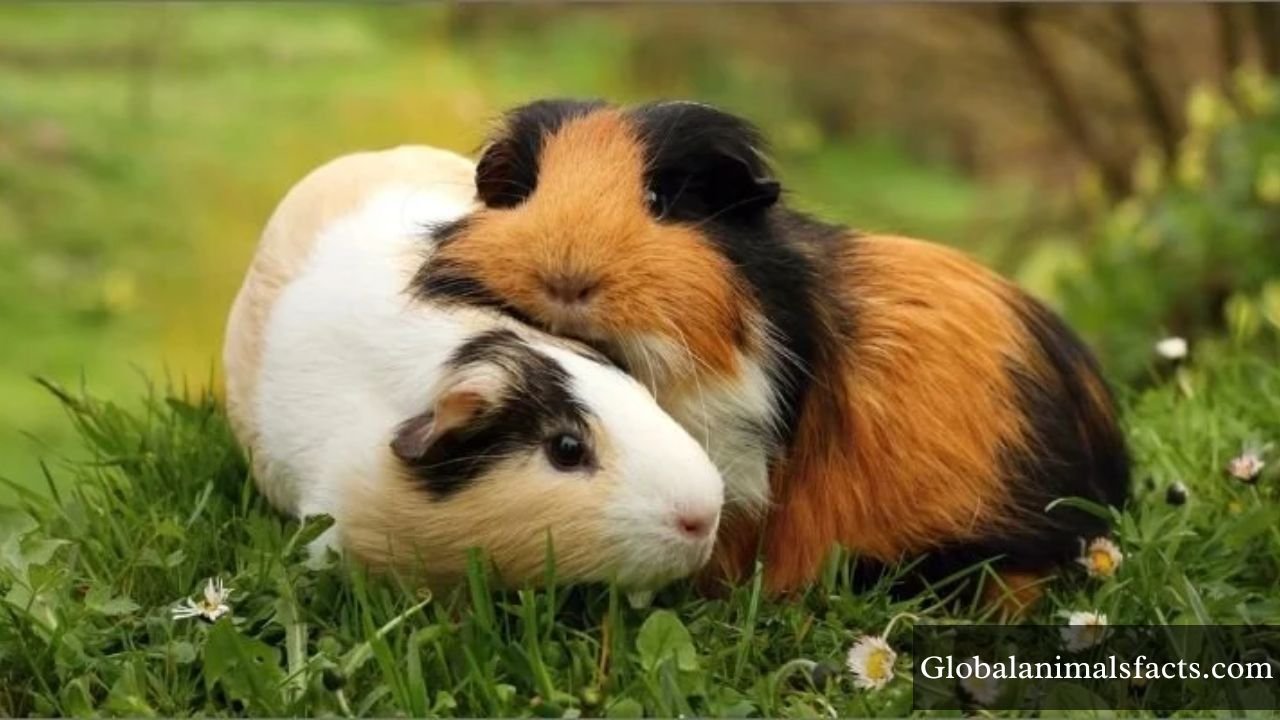
The guinea pig, a beloved companion animal, may not sport a tail, but it boasts a wealth of personality and charm that more than compensates for that absence. These small rodents were once revered in the Andes as a source of sustenance, yet today they grace our homes with their endearing squeaks and playful antics. Their lack of a tail might seem a disadvantage, but it allows them greater stability and agility, making them adept at navigating their burrow-like habitats and preventing potential snags in the wild.
What makes guinea pigs truly fascinating is their social nature. Unlike many solitary animals, they thrive on companionship, often forming strong bonds not just with their own kind but also with humans. This intricate social structure is marked by a complex language of chirps, purrs, and whistles that convey their emotions and needs. Observing a guinea pig in a group is an enthralling experience; their interactions can reveal a hierarchy and a depth of emotional intelligence that belies their small stature.
Readmore: Explore Top 14 Animals With Prehensile Tails.
Frogs and Toads
Class: Amphibia
Diet: Carnivore
Frogs and toads, those enchanting amphibians, offer a fascinating glimpse into nature’s ingenuity, particularly in their evolutionary development. Lacking tails as adults, they embody a remarkable adaptation that enhances their survival; this absence allows for greater mobility on land and in water. Their transitional metamorphosis from tadpole to adult is a captivating journey — a transformation that not only marks a shift in lifestyle but also in habitat. As tadpoles, these creatures sport elongated tails that are essential for swimming, but as they mature, this feature is shed, revealing robust limbs designed for jumping and navigating terrestrial environments.
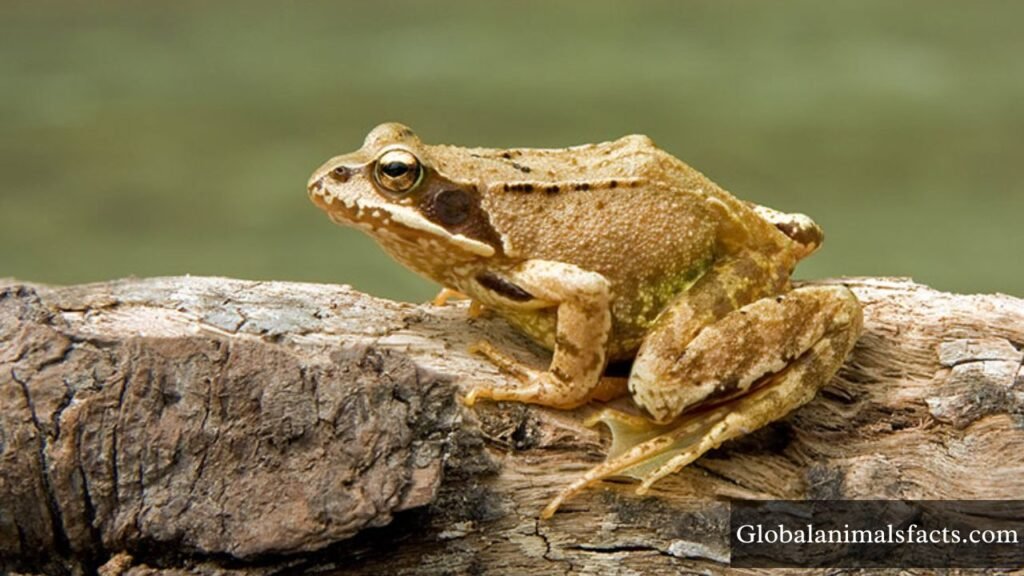
Beyond their morphology, frogs and toads possess intricate behaviors that shine in the absence of tails. Their vocalizations, often heralded as a chorus at dusk, serve not just as mating calls but also as a means of communication within their territory. Differentiated by distinct sounds, many species exhibit fascinating variations in their calls, revealing the rich tapestry of their biodiversity. Furthermore, this tail-less transition also fosters unique feeding strategies; adult frogs and toads rely heavily on their long, sticky tongues to capture prey, a skill that tail-less agility enhances.
Apes
Class: Mammalia
Diet: Omnivore
Apes, distinguished by their lack of tails, present a fascinating exploration into evolution and adaptation. Without the balancing act of a tail, these primates have developed an intriguing set of physical and social skills that enhance their survival in various environments. For instance, the absence of a tail allows for a more upright posture, enabling them to navigate forests with agility while using their hands for climbing and foraging. This adaptation amplifies their dexterity, allowing for intricate tool use that has captured the interest of researchers worldwide.
Moreover, the tail-less nature of apes fosters profound social structures, where communication and emotional bonds thrive. Their expressive faces and ability to use gestures enable complex interactions that transcend simple vocalizations, facilitating cooperation and empathy among group members. In species like the chimpanzee and bonobo, this robust social fabric highlights the significance of community in their survival.
You can also read: Explore Top 9 Animals with Trunks.
Barbary Macaque
Scientific Name: Macaca sylvanus
Class: Mammalia
Diet: Omnivore
Barbary macaques, often called the only true “tailless” macaques, defy traditional notions of primate anatomy and offer a fascinating glimpse into evolutionary adaptation. Living primarily in the mountainous regions of Morocco and Algeria, these intriguing creatures navigate their environment with agility, compensating for their lack of tails by using their strong limbs and dexterous hands. In a society that values social bonds, their tail-free existence has not hindered their communication; instead, they rely on facial expressions and vocalizations to convey emotions and establish relationships within their groups.
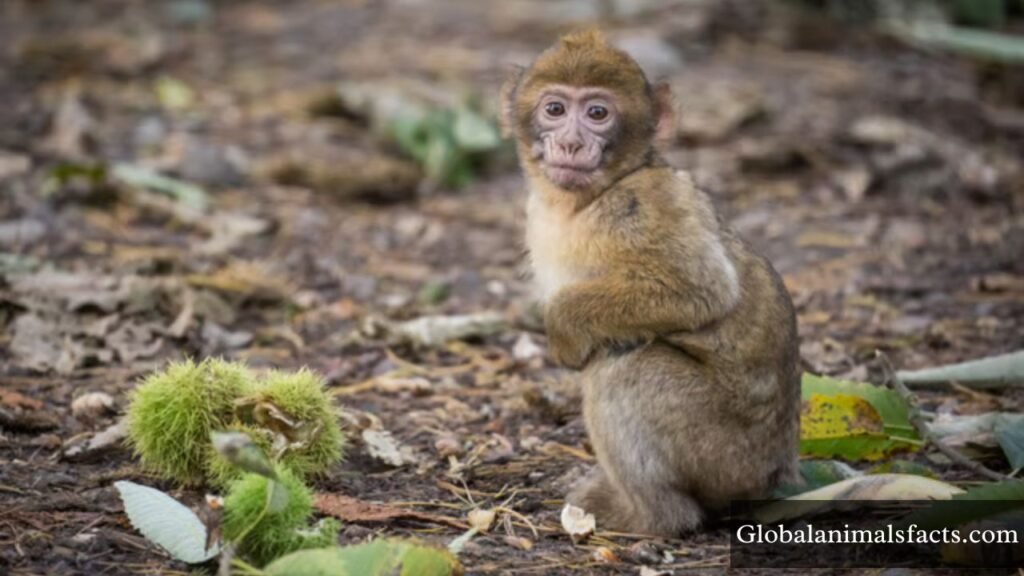
Recent studies suggest that their unique morphology may have led to innovative problem-solving strategies, particularly in foraging. Barbary macaques display an impressive ability to manipulate tools, showcasing an intelligence that intrigues primatologists and animal behaviorists alike. As they adapt to changing environments, their cultural practices, such as grooming and conflict resolution, reveal complex social structures that challenge the very definition of “natural understanding” in animal hierarchies.
Manx Cat
Class: Mammalia
Diet: Carnivore
The Manx cat is a fascinating breed that has captivated cat lovers worldwide with its unique taillessness. This genetic trait, stemming from a naturally occurring mutation on the island of Manx in the British Isles, doesn’t just alter the cat’s appearance; it also affects its movement. Without a tail to balance them, Manx cats often display a unique grace, relying on their strong hind legs for agility and stability. Observers note that their gait can resemble that of a rabbit, a charming quirk that adds to their allure.
Beyond their physical characteristics, Manx cats are known for their engaging personalities. They are often described as affectionate and social, craving interaction with their human companions while also displaying a playful spirit. This blend of charm and energy makes them a delightful addition to any household. Moreover, their intelligence allows them to learn tricks and solve puzzles, keeping both their minds and their human families entertained.
Also read: Explore Top 12 Animals With Big Feet.
Capybara
Scientific Name: Hydrochoerus hydrochaeris
Class: Mammalia
Diet: Herbivore
Capybaras, the world’s largest rodents, present a fascinating blend of social behavior and adaptability, often aiding in the visual disconnect that comes with their taillessness. Beyond their bulbous bodies and friendly demeanor, these creatures thrive in the wetlands of South America, showcasing a remarkable ability to bond within their groups, often seen basking in the sun or foraging for aquatic plants together. Their lack of a prominent tail, unlike many other mammals, enhances their streamlined shape, making them agile swimmers — a vital adaptation for evading predators in their lush, water-rich habitats.
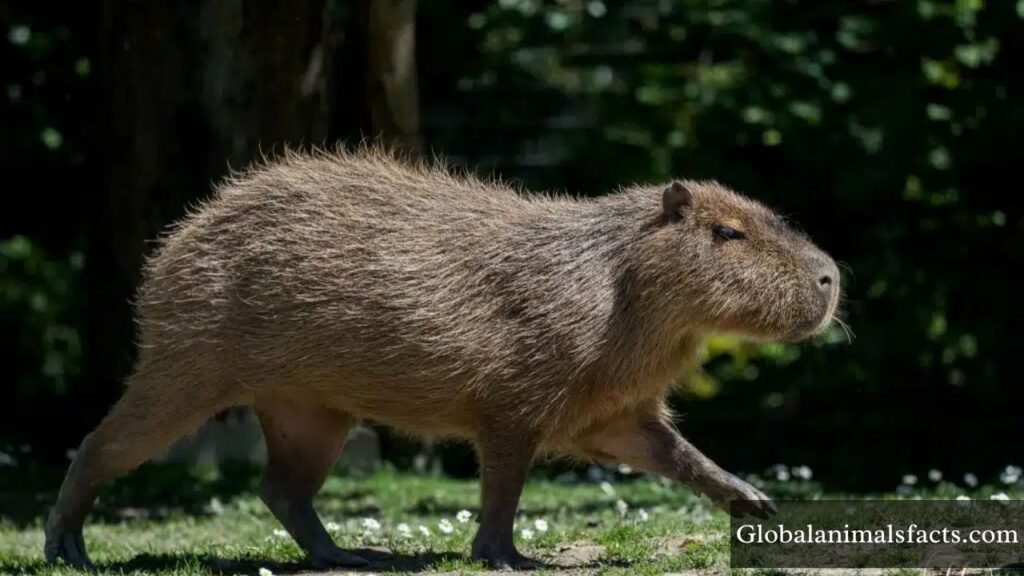
Moreover, capybaras exemplify an unexpected dynamic in the animal kingdom: their role as social glue within ecosystems. Their grazing patterns help maintain the vegetation of their habitats, inadvertently benefiting countless other species. Additionally, their gentle nature allows for unique cohabitation with animals such as birds and monkeys, creating a symbiotic relationship where both parties enjoy the safety and comfort provided by the other.
Spiders
Scientific Name: Araneae
Class: Arachnida
Diet: Carnivore
Spiders, often overlooked in the discussion of tail-less creatures, present a fascinating study in adaptation and evolution. Unlike many animals that use tails for balance or communication, spiders possess an extraordinary ability to thrive without them. Their eight legs serve a dual purpose, enabling both locomotion and intricate web-building. This unique morphology not only enhances their predatory prowess but also supports a wide range of behaviors from hunting to mating displays.
Interestingly, the absence of a tail in spiders has spurred unique adaptations. For instance, certain species can perform an array of silk-spinning techniques, creating elaborate webs that function as traps, nurseries, or even anchors during free falls. These silk structures, often seen as mere tools, are vital to a spider’s survival, allowing it to exploit various ecological niches — from humble garden corners to the dense underbrush of the rainforest.
Readmore: Explore Top 14 Animals With Big Ears.
Kiwi Bird
Class: Aves
Diet: Omnivore
The kiwi bird, native to New Zealand, is one of the most intriguing examples of a tailless animal. Unlike many other flightless birds, the kiwi’s unique anatomy reflects its ecological niche. With a long, slender beak that allows it to forage for insects and worms deep within the forest floor, this nocturnal wonder has evolved in captivating ways. Its robust body is covered in brown, hair-like feathers that provide excellent camouflage against the forest duff, helping it evade predators in its dimly lit environment.
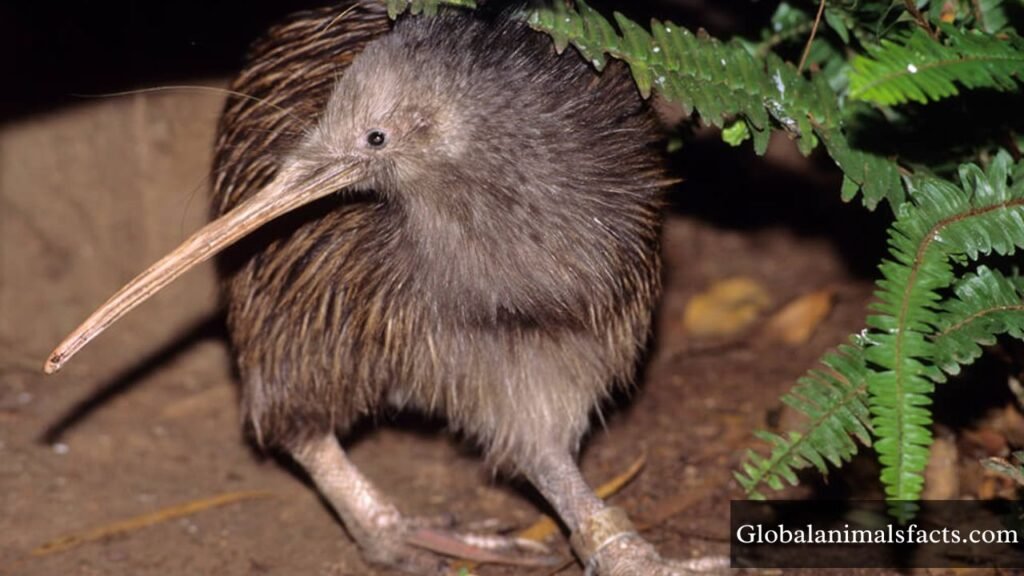
Kiwis are fascinating not only for their unusual form but also for their remarkable reproductive behavior. They lay one of the largest eggs relative to their body size of any bird species, which can be up to a quarter of the female’s body weight. This investment is a testament to the evolutionary pressures they face in their isolated habitat. Moreover, the nurturing role of the male kiwi, who incubates the egg and tends to the young, challenges traditional notions of parenting in the animal kingdom, highlighting the diverse strategies life adopts to thrive.
Octopus
Scientific Name: Octopus vulgaris
Class: Cephalopoda
Diet: Carnivore
Octopuses are fascinating creatures that redefine the concept of mobility and interaction in the underwater world. Lacking tails, these cephalopods rely on a unique combination of jet propulsion and cunning maneuverability to navigate their environments. Their eight tentacles, equipped with thousands of sensitive suckers, enable them to grasp, explore, and manipulate objects with astonishing precision. This dexterity allows them not only to hunt prey but also to engage in complex interactions with their surroundings, from solving puzzles to escaping enclosures.
Moreover, the octopus’s lack of a tail highlights its evolutionary journey. Instead of a streamlined body designed for speed, it has developed an extraordinary ability to adapt and camouflage. Using specialized skin cells called chromatophores, an octopus can change color and texture in the blink of an eye, blending seamlessly with its environment. This remarkable adaptation not only aids in hunting but also serves as a crucial defense mechanism against predators, showcasing that even without traditional means of propulsion, these creatures thrive through intelligence and creativity.
Readmore: Explore Top 28 Energetic Animals in The World.
Conclusion
The world of tailless animals presents a tapestry of evolutionary ingenuity and resilience. These species showcase the remarkable ability of life to adapt to changing environments and circumstances without the need for a tail. From amphibians to mammals, their stories reveal the intricate balance between adaptation and survival. As we delve deeper into their lives, we uncover vital insights into biodiversity and the interconnectedness of ecosystems. Let us celebrate these incredible animals and commit to preserving their habitats for future generations.
FAQs
How do animals without tails know when they’re happy?
Animals without tails often rely on other body language signals to express their emotions, including happiness. For example, facial expressions, ear positions, and even vocalizations can indicate a positive state. Their overall body posture tells a lot. A relaxed stance, playful behavior, or approaching humans or other animals are strong signs that they are feeling good.
Do sloths have tails?
Yes, sloths do have tails, but they’re not very prominent. Most sloths have a small, stubby tail that’s not easily noticeable. For example, the two-toed sloth has a tail that’s around 2-3 inches long.
Do gorillas have tails?
No, gorillas do not have tails. Unlike some other primates, gorillas belong to a group known as great apes, which includes humans, chimpanzees, and orangutans. These animals have evolved without tails, as their body structure and behaviors don’t require one.
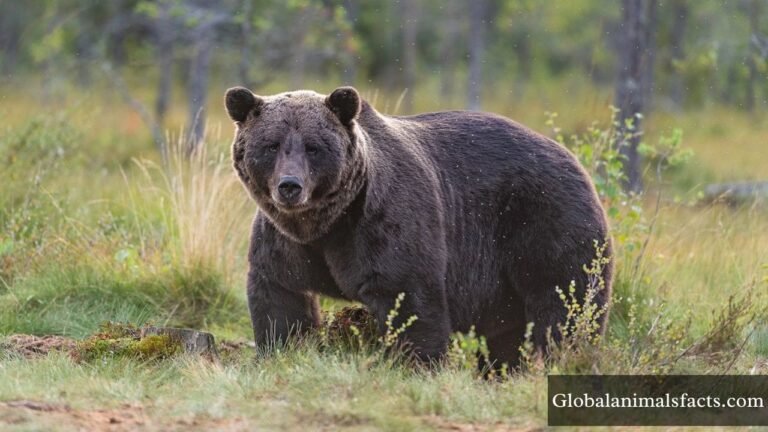
Does a bear have a tail?
Yes, bears do have tails, but they are quite small and not very noticeable. Typically, a bear’s tail is only a few inches long and is more of a stub than a prominent feature.