
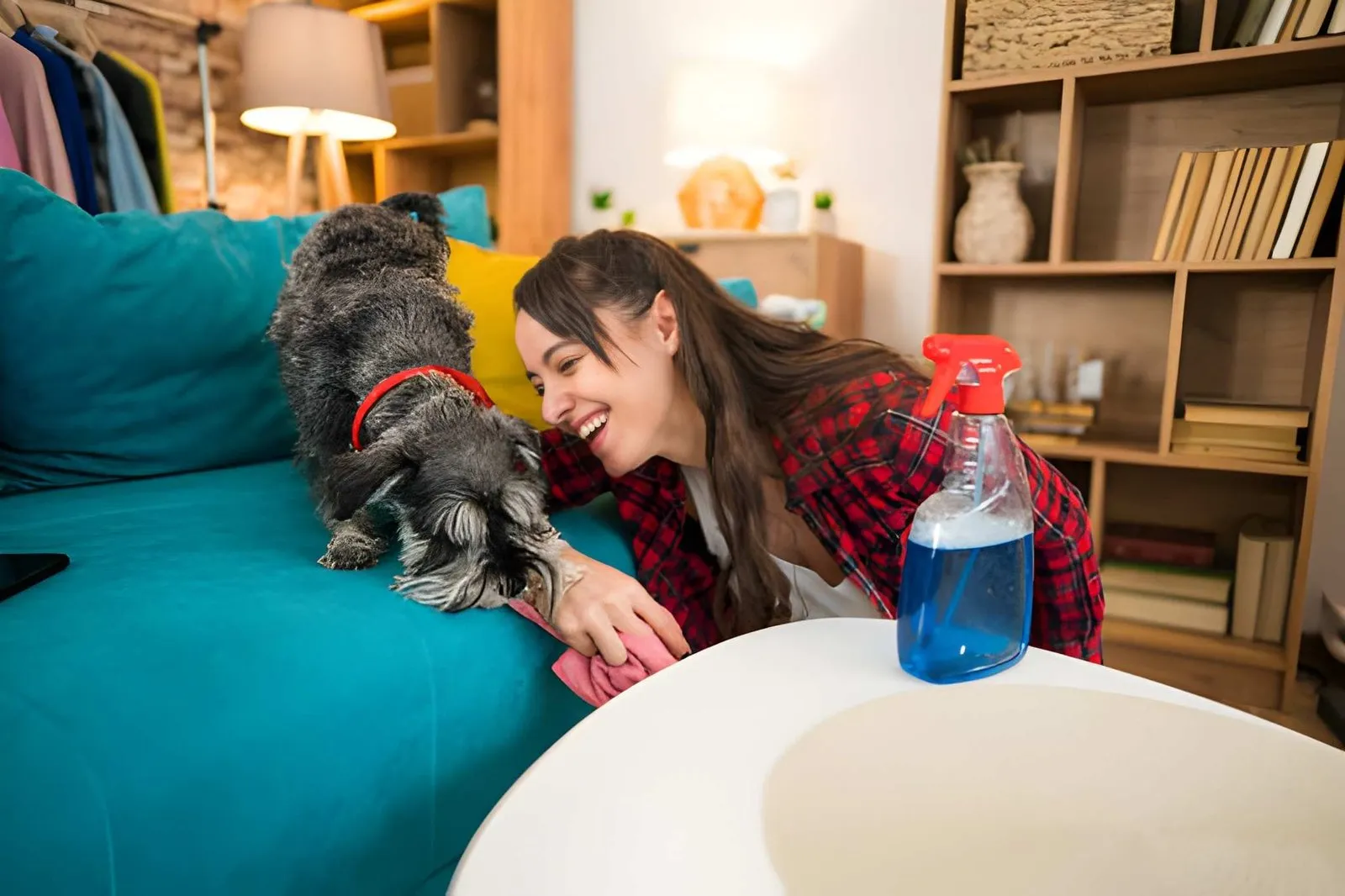
How to Keep a Pet-Friendly Home Cleaner and More Comfortable
Living with a dog or cat brings plenty of companionship, but it also means dealing with fur, dander, tracked-in debris, and the occasional odor that works its way into carpets and furniture. Keeping a pet-friendly home comfortable isn’t about finding one magic product—it’s about combining prevention, smart surface choices, good ventilation, and a consistent cleaning rhythm. Many households rely on a pet vacuum as part of this broader system, though no single tool can replace a thoughtful routine that addresses floors, furniture, bedding, and indoor air together. This guide walks through a practical, sustainable approach that any pet owner can adapt to their own space.
Understand What Pets Add to the Indoor Environment
Pets bring more into a home than what you can see. Loose hair is the obvious culprit, but dander—those microscopic flecks of skin—settles invisibly onto surfaces and tends to linger in soft furnishings far longer than it does on hard, washable ones. Factor in dirt and moisture tracked in from outside, along with odors that build up in rugs and upholstery, and it becomes clear why pet-friendly homes benefit from a layered cleaning approach. The EPA notes that regular cleaning can reduce animal dander and other allergy-causing particles in a home, though it typically can’t eliminate them entirely.[3] People react differently to these particles, so anyone dealing with persistent allergy or asthma symptoms should talk to a healthcare provider rather than relying solely on cleaning adjustments.
A realistic household scenario
Picture a home with a shedding dog, carpeted living areas, and one family member who’s sensitive to dander. The problem isn’t confined to the dog’s bed—fur travels to the couch, dander works its way into carpet fibers, and the HVAC system circulates fine particles throughout the house. Recognizing that this is a distributed issue, not a localized one, helps shape a more effective routine.
Build a Cleaning Routine Around High-Impact Areas
Rather than cleaning everywhere with equal intensity, focus first on where pets spend most of their time: sleeping areas, favorite rugs, upholstered furniture, entryways, and food and water stations. Work from higher surfaces downward so dust and dander don’t resettle onto floors you’ve already handled. For hard surfaces, a damp microfiber cloth captures particles far more effectively than dry dusting, which tends to stir them back into the air—a method the Asthma and Allergy Foundation of America (AAFA) specifically recommends.[1]
A simple framework helps keep things consistent:
- Daily: Clear visible debris, wipe food areas, and address accidents right away.
- Several times weekly: Tend to high-traffic floors and pet resting spots.
- Weekly: Wash pet bedding, clean rugs, and vacuum upholstered furniture.
- Periodically: Check filters, clean brush rolls and attachments, and reassess areas where fur tends to build up.
Choose Surfaces and Fabrics That Are Easier to Maintain
Not all materials respond to cleaning the same way. Hard flooring and washable rugs generally make fur and dander management simpler than thick, high-pile carpeting does. Washable furniture covers and removable entry mats also lighten the load when it comes to deep cleaning. AAFA advises considering flooring and furnishings that are easier to clean as a practical way to limit where dander can settle.[2] Choosing maintainable surfaces before investing in more cleaning equipment often delivers more lasting results than any single appliance could. That said, replacing flooring or furniture isn’t necessary—or realistic—for every household, and smaller swaps, like adding a washable throw, can still make a difference.
Clean Floors, Upholstery, and Pet Bedding Correctly
Each surface calls for its own technique: hard floors benefit from sweeping and damp cleaning, carpets need slow, overlapping vacuum passes with extra attention to edges, upholstery should be cleaned with manufacturer-approved attachments after spot testing, and bedding should follow whatever its care label specifies. Rushed cleaning tends to leave fur behind along baseboards, under furniture, and tucked into corners. Vacuuming can also stir up airborne particles temporarily, so people with allergies may find it worthwhile to step out of the room while it’s happening.[3] Filtration helps manage particles, but it shouldn’t be treated as a complete solution on its own.
High-impact cleaning checklist:
– Pet resting areas
– Upholstered furniture
– Carpet edges and corners
– Entry mats
– Bedding and washable covers
– Vents and filters
Reduce Allergen Spread Beyond Cleaning
Pet allergens are notoriously sticky and transfer easily to clothing, bedding, and furniture. Keeping pets out of bedrooms is a practical step AAFA recommends for sensitive household members.[2] Washing hands after handling pets, laundering pet bedding regularly, and grooming animals consistently all help cut down on loose hair indoors—though people with allergies are generally better off letting someone else handle the grooming.[2] A veterinarian can offer guidance on grooming frequency suited to a specific animal.
Consider Indoor Air and HVAC Maintenance
Heating and cooling systems don’t just control temperature—they can also redistribute dust, pollen, and pet dander throughout a home, as EPA materials describe.[4] Replacing HVAC filters as recommended, keeping vents unobstructed, improving ventilation, and considering a properly sized air cleaner for persistent concerns are all worthwhile steps. Air cleaners complement surface cleaning rather than replace it, and any filter or component changes should match manufacturer specifications to maintain proper compatibility and airflow.
Make the Routine Safer and More Sustainable
Read product labels before using disinfectants or fragranced treatments near pets, and store chemicals and small parts well out of reach of animals and children. Heavily fragranced products can irritate sensitive household members, so targeted cleaning usually works better than applying products everywhere at once. A simple log tracking bedding washes, filter changes, and equipment maintenance can keep the routine on track without turning it into a chore.
Create a Routine That Fits the Household
Cleaning reduces but doesn’t eliminate allergens—and that’s an honest, achievable goal to work toward. A comfortable pet-friendly home comes from consistent, targeted care across floors, fabrics, pet belongings, and air pathways, not from occasional deep cleans. Start with the areas your pet uses most, pay attention to where fur and odors tend to accumulate, and adjust your schedule to fit your home and your household’s sensitivities. Pick two high-impact tasks to tackle this week, build a rhythm you can stick with, and expand from there once the basics start to feel manageable.