A Beginner’s Guide to 3D Printing at Home
The first time most people watch a 3D printer work, it looks almost impossible. A nozzle moves back and forth, a thin thread of melted plastic spirals upward, and over the course of a few hours a solid object appears where there was nothing before. The truth behind the trick is simpler than it looks. A 3D printer builds an object one thin layer at a time, stacking each new layer on top of the last until the shape is complete.
Additive Manufacturing in Plain Terms
That layer-by-layer process is called additive manufacturing, and the name tells you most of what you need to know. Unlike carving or cutting, which remove material, additive printing adds it, a little at a time. This is why the machines can make shapes that would be nearly impossible any other way, like a hollow lattice or a part with moving pieces printed in one piece. Understanding this one idea makes everything else about the hobby much easier to follow.
What You Need to Get Started
The list of essentials is shorter than most people fear. You need three things: a printer, some material to print with, and a way to prepare the digital files. The printer is the machine itself. The material is a thin plastic thread that gets melted and laid down in layers. And the software is what turns a 3D model, a digital shape on your computer, into instructions the printer can follow. That is really the whole setup.
Printer, Filament, and Software
Each of these three pieces has options, but you do not need to master all of them on day one. The material, commonly called filament, comes in different types with different properties, and most beginners start with a standard plastic that is forgiving and easy to work with. The software is often free, and it does the heavy lifting of deciding how the object gets built. Once you have printed your first simple shape, the bigger picture starts to make sense quickly.
Choosing Your First Machine
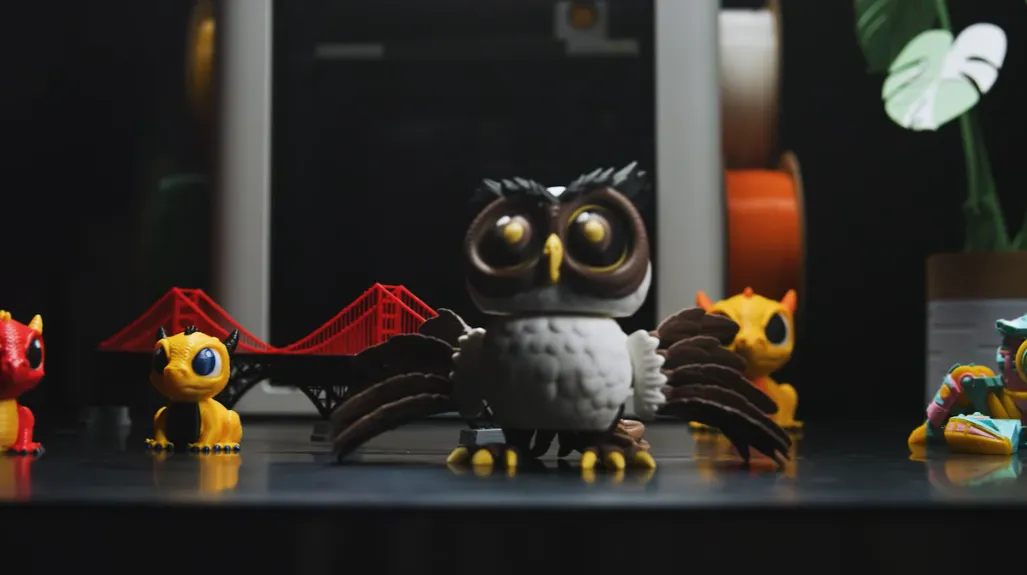
When you are ready to buy, the biggest decision is which printer fits the way you want to work. Some people only ever print in a single color, and for them a straightforward machine is perfect. Others quickly realize they want more, and a color 3D printer opens up a whole new range of projects, from colorful toys to detailed models with logos and labels. Think about what you actually want to make, and let that guide the choice instead of buying the fanciest machine you can find.
Single-Color vs Color Printing
There is nothing wrong with single-color printing, and it is where almost everyone starts. But color changes the feel of the hobby in a real way. Instead of painting your prints afterward, you can have the colors built in from the start. For models, figurines, and gifts, that saves hours and produces a cleaner result. It is worth considering whether color is something you will want before you commit to a machine, because it is easier to buy it up front than to wish for it later.
Your First Successful Print
The first print that comes out clean is a genuine milestone. It is usually something humble, a small cube or a keychain, but it proves the whole chain works: the model, the software, the machine, the material. From there, the hobby is mostly about practice. You learn how to orient a part for strength, how to adjust for a cleaner surface, and how to spot problems before they waste an afternoon. Every print teaches something, and the learning curve is part of the fun.