
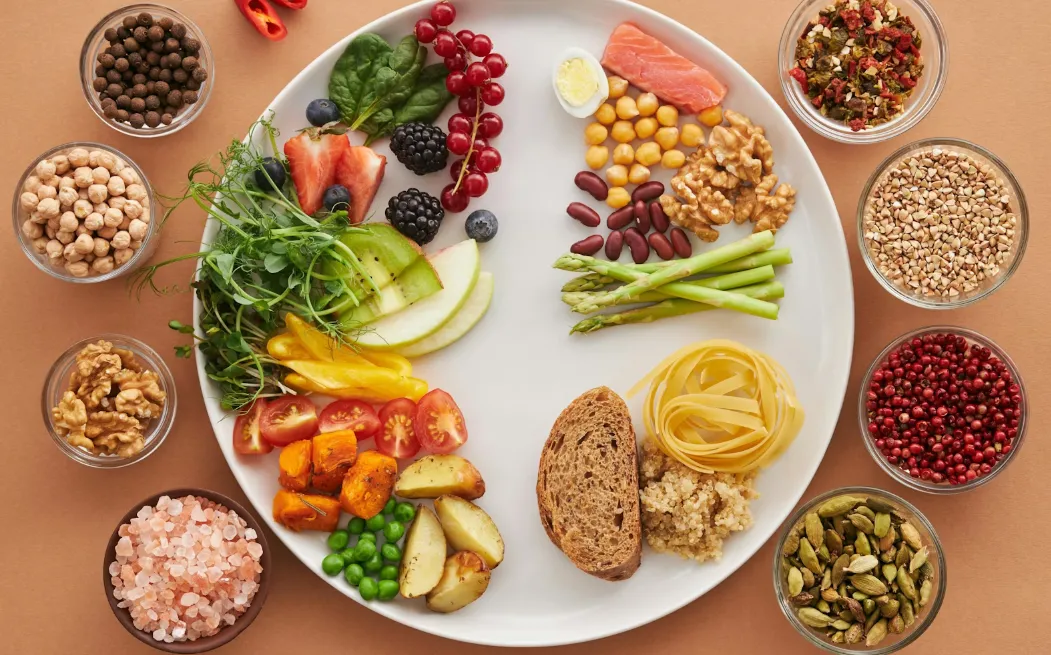
How to Reduce Inflammation Through Diet
Inflammation is a natural process that helps the body heal after injuries and fight infections. In the short term, it plays an essential role in protecting your health. However, when inflammation becomes chronic, it can contribute to a wide range of health conditions, including heart disease, diabetes, arthritis, obesity, and certain autoimmune disorders. Fortunately, one of the most effective ways to support your body’s natural defenses is through a healthy diet.
The foods you eat every day can either promote inflammation or help reduce it. Choosing nutrient-rich, whole foods while limiting processed products can significantly improve your overall health and lower the risk of chronic disease. An anti-inflammatory diet is not about following strict rules or eliminating entire food groups. Instead, it focuses on eating a variety of wholesome foods that nourish the body and support long-term wellness.
In this guide, you’ll learn what inflammation is, which foods help reduce it, which foods to avoid, and practical tips for building an anti-inflammatory eating plan.
Understanding Inflammation
Inflammation is the immune system’s response to harmful stimuli such as infections, injuries, or toxins. There are two primary types:
Acute inflammation is short-term and helps the body recover from illness or injury. Symptoms may include redness, swelling, pain, and warmth around the affected area.
Chronic inflammation develops over time and can persist for months or even years. It often occurs without obvious symptoms but may gradually damage healthy tissues and organs.
Factors that contribute to chronic inflammation include:
- Poor dietary habits
- Excess body weight
- Lack of physical activity
- Smoking
- Chronic stress
- Poor sleep quality
- Environmental pollutants
Making healthier food choices is one of the most effective strategies for reducing chronic inflammation naturally.
Best Foods That Help Reduce Inflammation
Fatty Fish
Fatty fish are among the richest sources of omega-3 fatty acids, which help regulate inflammatory responses throughout the body.
Excellent choices include:
- Salmon
- Sardines
- Mackerel
- Tuna
- Herring
Aim to enjoy fatty fish at least two times each week for maximum benefits.
Colorful Fruits
Fruits provide antioxidants, vitamins, and natural plant compounds that help protect cells from inflammation.
Some of the best options include:
- Blueberries
- Strawberries
- Cherries
- Oranges
- Grapes
- Apples
- Pomegranates
Eating a variety of colorful fruits ensures you receive a broad range of protective nutrients. Pairing a nutrient-rich diet with a taurine supplement amazon can also support an overall wellness routine.
Leafy Green Vegetables
Dark leafy greens contain vitamins A, C, E, K, folate, and numerous antioxidants.
Healthy options include:
- Spinach
- Kale
- Swiss chard
- Arugula
- Collard greens
These vegetables are also high in fiber, which supports digestive health and helps reduce inflammation.
Healthy Fats
Not all fats are harmful. Healthy fats actually help regulate inflammation.
Choose:
- Extra virgin olive oil
- Avocados
- Walnuts
- Almonds
- Pistachios
- Chia seeds
- Flaxseeds
Replacing saturated fats with healthier alternatives can improve heart health while reducing inflammatory markers.
Whole Grains
Whole grains contain fiber and nutrients that support a healthy digestive system.
Examples include:
- Oats
- Brown rice
- Quinoa
- Barley
- Whole wheat
- Millet
Unlike refined grains, whole grains help stabilize blood sugar and support a healthier gut microbiome.
Beans and Legumes
Beans are rich in fiber, plant protein, and minerals that support immune function.
Healthy choices include:
- Lentils
- Chickpeas
- Black beans
- Kidney beans
- Pinto beans
Including legumes several times each week can improve digestion and reduce inflammation.
Herbs and Spices
Natural herbs and spices add flavor while providing powerful anti-inflammatory compounds.
Popular choices include:
- Turmeric
- Ginger
- Garlic
- Cinnamon
- Rosemary
- Oregano
Turmeric contains curcumin, while ginger contains gingerol—both well-known for their anti-inflammatory properties.
Green Tea
Green tea contains antioxidants called catechins that help protect cells from oxidative stress.
Replacing sugary drinks with green tea can support both hydration and overall wellness.
Foods That May Increase Inflammation
Certain foods are linked with higher levels of chronic inflammation when consumed regularly.
Limit:
- Sugary beverages
- Candy
- Cakes and pastries
- White bread
- Highly processed snacks
- Fast food
- Deep-fried foods
- Processed meats
- Excessive alcohol
- Foods high in trans fats
Reducing these foods does not require perfection. Even gradual improvements can have lasting health benefits.
The Importance of Fiber
Fiber plays a major role in reducing inflammation by supporting beneficial gut bacteria.
High-fiber foods include:
- Vegetables
- Fruits
- Whole grains
- Legumes
- Seeds
- Nuts
A healthy gut microbiome produces beneficial compounds that help regulate immune function and reduce inflammatory activity.
Stay Hydrated
Proper hydration supports nearly every function in the body, including healthy circulation and nutrient transport.
Water helps:
- Flush waste products
- Maintain healthy digestion
- Support joint health
- Regulate body temperature
Aim to drink water consistently throughout the day, increasing intake during hot weather or physical activity.
Sample Anti-Inflammatory Meal Plan
Breakfast
- Oatmeal topped with blueberries
- Chia seeds
- Walnuts
- Green tea
Morning Snack
- Apple slices
- Almond butter
Lunch
- Grilled salmon
- Mixed green salad
- Olive oil and lemon dressing
- Quinoa
Afternoon Snack
- Plain Greek yogurt
- Fresh berries
Dinner
- Grilled chicken or lentil curry
- Brown rice
- Steamed broccoli
- Roasted carrots
Evening Snack
- Herbal tea
- A handful of walnuts
This balanced approach provides healthy fats, lean protein, fiber, and antioxidants throughout the day.
Lifestyle Habits That Support an Anti-Inflammatory Diet
Diet works best when combined with other healthy habits.
Helpful lifestyle practices include:
- Exercise regularly
- Sleep 7–9 hours each night
- Manage stress through meditation or deep breathing
- Maintain a healthy body weight
- Avoid smoking
- Limit alcohol consumption
- Spend time outdoors
- Stay physically active throughout the day
Together, these habits strengthen the body’s natural ability to manage inflammation.
Common Myths About Inflammation
Myth 1: All Inflammation Is Harmful
Inflammation is actually necessary for healing. The concern is long-lasting, chronic inflammation.
Myth 2: One Superfood Can Eliminate Inflammation
No single food provides complete protection. Overall dietary patterns matter far more than individual foods.
Myth 3: Supplements Are Better Than Whole Foods
Whole foods provide fiber, vitamins, minerals, and antioxidants that work together naturally. Supplements may help in specific situations but should not replace a balanced diet unless recommended by a healthcare professional.
Tips for Following an Anti-Inflammatory Diet
Building healthier eating habits doesn’t have to be complicated.
- Fill half your plate with vegetables.
- Choose fruit instead of sugary desserts.
- Cook with olive oil instead of butter when appropriate.
- Eat fish twice per week.
- Include nuts or seeds as snacks.
- Replace refined grains with whole grains.
- Read nutrition labels carefully.
- Prepare meals at home more often.
- Drink plenty of water.
- Plan meals ahead to avoid unhealthy choices.
Small, consistent changes are often easier to maintain than drastic dietary restrictions.
Conclusion
Reducing inflammation through diet is one of the most effective ways to improve overall health and lower the risk of chronic disease. By emphasizing whole foods, fruits, vegetables, healthy fats, whole grains, lean proteins, and anti-inflammatory herbs and spices, you can support your immune system and promote long-term wellness. At the same time, limiting highly processed foods, sugary beverages, and unhealthy fats helps reduce chronic inflammation over time.
The key is consistency rather than perfection. Every healthy meal contributes to better health, improved energy, and a stronger body. Combined with regular exercise, quality sleep, stress management, and proper hydration, an anti-inflammatory diet can become a powerful foundation for a healthier and more vibrant life.
Also Read About: The Evolution of Fashion Through the Decades