Green Technologies in Modern Cars: Driving Toward a Cleaner Future
The automotive industry is undergoing one of the biggest transformations in its history. As concerns about climate change, air pollution, and fossil fuel consumption continue to grow, automakers are investing heavily in green technologies that make vehicles cleaner, more efficient, and environmentally friendly. Modern cars are no longer just about speed, comfort, or luxury. They are increasingly designed to reduce carbon emissions, conserve natural resources, and provide sustainable transportation for future generations.
Green technologies in modern cars include everything from electric powertrains and hybrid systems to lightweight materials, regenerative braking, advanced aerodynamics, and intelligent energy management. These innovations not only benefit the environment but also help drivers save money through lower fuel costs and reduced maintenance expenses.
As governments introduce stricter emission regulations and consumers become more environmentally conscious, green automotive technology continues to evolve rapidly. Understanding these advancements helps drivers make informed purchasing decisions while contributing to a cleaner planet.
What Are Green Technologies in Cars?
Green technologies refer to automotive innovations that minimize environmental impact while maximizing vehicle efficiency and performance. Their primary goals include:
- Reducing greenhouse gas emissions
- Improving fuel efficiency
- Lowering energy consumption
- Minimizing waste during manufacturing
- Promoting renewable energy use
- Supporting sustainable transportation
These technologies are found in many types of vehicles, including gasoline-powered cars, hybrids, plug-in hybrids, hydrogen fuel cell vehicles, and fully electric vehicles.
Electric Vehicles (EVs)
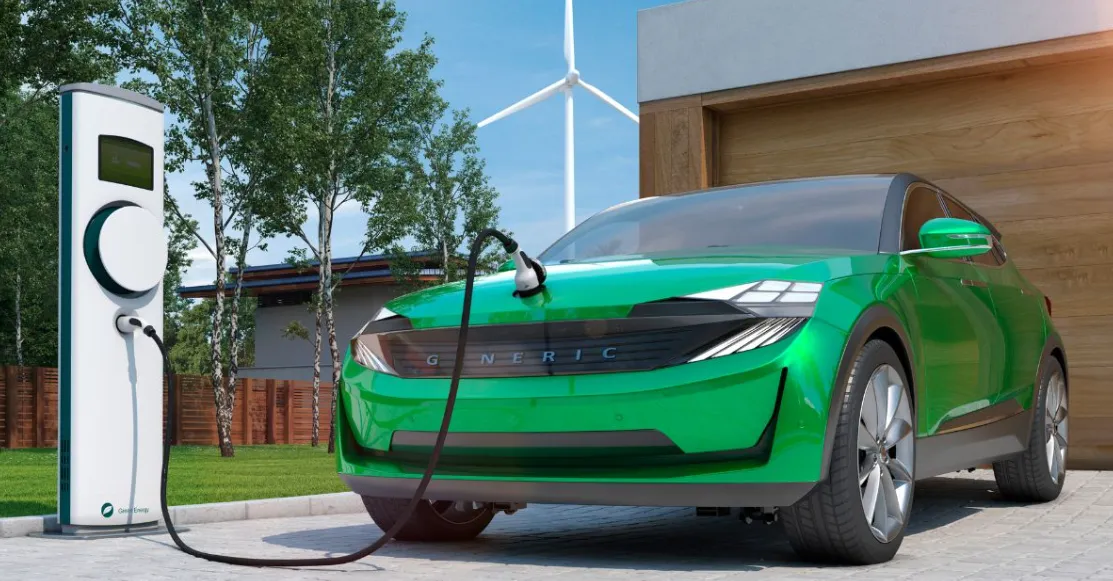
One of the most significant breakthroughs in green automotive technology is the development of electric vehicles (EVs).
Unlike traditional cars that rely on gasoline or diesel engines, EVs use electric motors powered by rechargeable battery packs. Since they produce no tailpipe emissions, they significantly reduce air pollution in urban areas.
Benefits of Electric Vehicles
- Zero exhaust emissions
- Lower operating costs
- Quiet driving experience
- High energy efficiency
- Reduced dependence on fossil fuels
Many countries are expanding charging infrastructure, making electric vehicles increasingly practical for everyday driving.
Hybrid Technology
Hybrid vehicles combine an internal combustion engine with an electric motor to improve overall efficiency.
There are several types of hybrid systems:
Mild Hybrid
Uses a small electric motor to assist the gasoline engine.
Full Hybrid
Can operate using the engine, electric motor, or both depending on driving conditions.
Plug-in Hybrid (PHEV)
Features a larger battery that can be charged externally, allowing drivers to travel significant distances using electricity alone before switching to gasoline.
Hybrid technology helps reduce fuel consumption while lowering emissions compared to conventional vehicles.
Regenerative Braking Systems
Traditional braking systems waste energy by converting motion into heat. Modern green vehicles use regenerative braking, which captures that energy and converts it back into electricity.
This recovered electricity is stored in the battery and later used to power the vehicle.
Advantages include:
- Improved battery efficiency
- Extended driving range
- Reduced brake wear
- Lower energy waste
Regenerative braking is now a standard feature in most electric and hybrid vehicles.
Lightweight Materials
Reducing vehicle weight is one of the easiest ways to improve fuel economy.
Automakers increasingly use lightweight materials such as:
- Aluminum
- Carbon fiber
- Magnesium alloys
- High-strength steel
- Composite plastics
A lighter vehicle requires less energy to accelerate, climb hills, and maintain speed.
This results in:
- Better fuel efficiency
- Increased driving range
- Lower emissions
- Improved performance
Advanced Aerodynamics
Air resistance significantly affects fuel consumption, especially at highway speeds.
Modern cars incorporate advanced aerodynamic designs, including:
- Smooth body panels
- Active grille shutters
- Underbody covers
- Rear spoilers
- Air curtains around wheels
These improvements reduce drag and allow vehicles to travel farther using less energy.
Electric vehicles especially benefit from aerodynamic optimization because reduced drag directly increases battery range.
Smart Engine Management Systems
Modern gasoline and diesel engines have become much cleaner thanks to sophisticated electronic control systems.
These technologies include:
- Variable valve timing
- Direct fuel injection
- Cylinder deactivation
- Turbocharging
- Automatic start-stop systems
The vehicle’s onboard computer constantly adjusts engine performance for maximum efficiency while minimizing emissions.
For example, start-stop technology automatically turns the engine off when the vehicle is stationary and restarts it when the driver presses the accelerator.
Eco-Friendly Tires
Many people overlook the role tires play in fuel efficiency.
Modern eco-friendly tires are designed with:
- Low rolling resistance
- Durable rubber compounds
- Improved tread designs
These features reduce the energy needed to keep the vehicle moving.
Benefits include:
- Better fuel economy
- Longer tire life
- Lower carbon emissions
- Improved driving efficiency
Renewable and Sustainable Manufacturing
Green technologies extend beyond the vehicle itself.
Automakers are increasingly adopting sustainable manufacturing practices such as:
- Solar-powered factories
- Wind-generated electricity
- Water recycling systems
- Reduced industrial waste
- Recycled production materials
Some manufacturers even produce vehicle interiors using recycled plastics, reclaimed fabrics, natural fibers, and plant-based materials.
These practices reduce the overall environmental footprint throughout the vehicle’s lifecycle.
Alternative Fuels
While electric vehicles receive much of the attention, alternative fuels continue to play an important role.
Examples include:
- Biodiesel
- Ethanol blends
- Renewable diesel
- Compressed natural gas (CNG)
- Hydrogen fuel cells
Hydrogen fuel cell vehicles generate electricity through a chemical reaction between hydrogen and oxygen, producing only water vapor as the exhaust.
These technologies offer additional pathways toward cleaner transportation.
Intelligent Energy Management
Modern vehicles use advanced software to maximize efficiency.
Artificial intelligence and smart sensors continuously monitor:
- Battery condition
- Driving habits
- Traffic conditions
- Terrain
- Weather
- Energy consumption
The system automatically optimizes power delivery to improve range and reduce energy waste.
Some electric vehicles even recommend the most energy-efficient routes based on traffic and road elevation.
Connected Vehicle Technology
Connected cars help reduce environmental impact through intelligent communication.
Features include:
- Real-time traffic updates
- Predictive navigation
- Smart route planning
- Remote vehicle monitoring
- Charging station location services
By avoiding traffic congestion and unnecessary idling, connected technology contributes to lower fuel consumption and reduced emissions.
Solar Energy Integration
Some modern vehicles now include solar panels integrated into the roof.
Although they cannot fully power the vehicle, these panels help operate:
- Cabin ventilation
- Battery charging
- Auxiliary electronics
As solar technology continues to improve, future vehicles may rely more heavily on renewable solar energy.
Benefits of Green Automotive Technologies
Drivers enjoy numerous advantages when choosing vehicles equipped with green technologies.
Environmental Benefits
- Lower greenhouse gas emissions
- Cleaner air
- Reduced fossil fuel dependence
- Conservation of natural resources
Financial Benefits
- Lower fuel expenses
- Reduced maintenance costs
- Government incentives in some regions
- Higher long-term efficiency
Driving Benefits
- Quieter operation
- Smooth acceleration
- Improved reliability
- Enhanced driving experience
Challenges Facing Green Technologies
Despite rapid progress, several challenges remain.
These include:
- High initial purchase costs
- Limited charging infrastructure in some areas
- Battery production expenses
- Recycling of used batteries
- Consumer education
- Availability of renewable electricity
Fortunately, ongoing technological advancements continue to address these issues, making green vehicles more affordable and practical every year.
The Future of Green Cars
The future of automotive technology looks increasingly sustainable.
Emerging innovations include:
- Solid-state batteries
- Wireless charging
- Autonomous electric vehicles
- Vehicle-to-grid (V2G) technology
- Carbon-neutral manufacturing
- Artificial intelligence-powered efficiency systems
As battery technology improves and renewable energy expands, modern vehicles will become even cleaner, safer, and more efficient.
Governments, manufacturers, and consumers all play important roles in accelerating this transition toward sustainable mobility.
Conclusion
Green technologies in modern cars are transforming the way people travel by reducing emissions, improving efficiency, and supporting a cleaner environment. Innovations such as electric powertrains, hybrid systems, regenerative braking, lightweight materials, advanced aerodynamics, intelligent energy management, and sustainable manufacturing are helping reshape the automotive industry for the better.
As technology continues to evolve, environmentally friendly vehicles will become increasingly accessible, affordable, and practical for drivers around the world. Choosing a vehicle equipped with green technologies is not only a smart financial decision but also an important step toward protecting the planet for future generations.
Also Read About: Common Car Ownership Mistakes: Avoid These Costly Errors to Save Money and Extend Your Vehicle’s Life