Top 15 Animals With Fur (With Images)
This remarkable feature not only keeps them warm but also plays a crucial role in camouflage and protection. In this article, we’ll explore the diverse world of animals with fur, uncovering fascinating facts about their behavior, habitats, and adaptations. Understanding these creatures enriches our appreciation of nature’s complexity and the vital role fur plays in survival.
List of Animals With Fur
Here is the list of animals that have fur:
- Polar Bear
- Musk Ox
- Komondor
- Highland Cattle
- Arctic Fox
- Norwegian Forest Cat
- Afghan Hound
- Mountain Goat
- Angora Rabbit
- Yak
- Sea Otter
- Snow Leopard
- Alaskan Malamute
- Wolverine
- Arctic wolf
Polar Bear
Scientific Name: Ursus maritimus
Class: Mammalia
Diet: Carnivorous
The polar bear, a magnificent sentinel of the Arctic, is not just a symbol of remote icy landscapes; it embodies an intricate balance between strength and vulnerability. Beneath its thick, white fur lies a dense layer of fat that can measure up to four inches, tailored for insulation against frigid temps that can plummet to -50°F (-45°C). This unique adaptation allows polar bears to thrive in an environment where few other creatures can survive, making them apex predators on sea ice where they hunt seals.
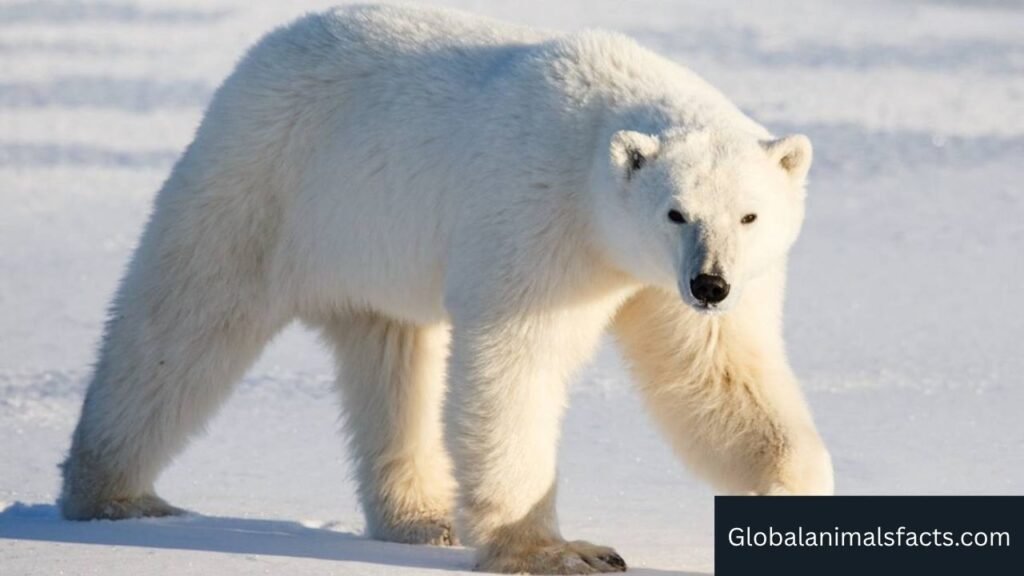
Yet, the polar bear’s captivating fur isn’t merely a shield against the cold; it also serves a purpose in their hunting strategy. The translucent hairs reflect visible light, allowing the bear to blend seamlessly into its snowy surroundings. This camouflage plays a crucial role in stalking prey, showcasing nature’s genius in evolutionary design. However, their existence is increasingly threatened by climate change, which dramatically alters their habitat. As the ice melts below their feet, the challenge of finding food grows, making conservation efforts not just a necessity, but a race against time to preserve these majestic giants of the Arctic.
Musk Ox
Scientific Name: Ovibos moschatus
Class: Mammalia
Diet: Herbivorous
Musk oxen, with their thick, shaggy coats and striking curved horns, are fascinating examples of adaptation in the harsh Arctic environment. These prehistoric-looking creatures, native to Greenland, Canada, and parts of Alaska, possess an extraordinary insulating layer of fur called qiviut, under which lies a dense layer of fat that helps shield them from extreme cold. Interestingly, qiviut is considered one of the softest fibers in the world, rivaling cashmere, and is exceptionally warm yet lightweight — an evolutionary marvel that allows these animals to thrive even in temperatures that plummet to -40°F.
But there’s more to musk oxen than their impressive insulation. Their social behavior is equally intriguing; they often form tight-knit herds that engage in cooperative defense strategies, particularly when faced with predators like wolves. When threatened, musk oxen display a remarkable protective instinct, often forming a defensive circle around their young, showcasing a level of kinship and unity that reflects their resilience.
Komondor
Class: Mammalia
Diet: Omnivorous
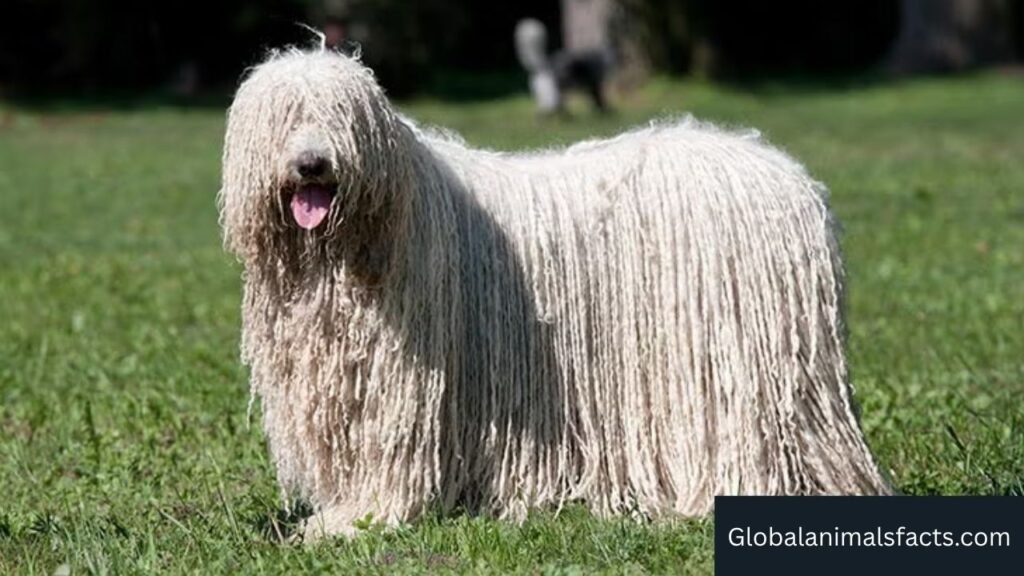
The Komondor, often referred to as the “mop dog” due to its distinctive corded coat, is nothing short of a living testament to nature’s artistry. Originally bred in Hungary as a livestock guardian, these majestic dogs are characterized by their long, thick, and rope-like fur, which forms naturally over time. This unique coat is not merely for aesthetic appeal; it serves a vital purpose, providing protection against harsh weather and predators, while also helping them blend seamlessly into sheep herds.
One fascinating aspect of the Komondor is their deeply ingrained instinct to protect. With a natural inclination to guard their territory, these dogs often form tight bonds with livestock, showcasing a surprising level of compassion and loyalty. Despite their imposing size and fierce appearance, Komondors are known for their calm demeanor and gentle nature when properly socialized. Understanding the duality of their protective traits and tender hearts reveals a complex creature that stands as a symbol of resilience and adaptability in the animal kingdom.
Readmore: Explore Top 22 Animals With Long Necks.
Highland Cattle
Class: Mammalia
Diet: Herbivorous
Highland cattle, with their iconic long horns and distinctive shaggy coats, are a true marvel among livestock. Originating from Scotland’s rugged Highlands, these animals have adapted to some of the harshest climates, thanks in part to their unique double-layered fur. The outer layer repels water and wind, while the inner layer provides insulation, making them a living testament to nature’s ingenuity in survival. This remarkable fur not only shields them from the elements but also creates a striking visual appeal, often making highland cattle a favorite subject for photographers and nature lovers alike.
Beyond their practicality, highland cattle embody a gentle and docile temperament that adds to their charm. They thrive in social groups and exhibit strong bonds with their herds, showcasing a level of emotional complexity that often goes unnoticed in traditional farming. Interestingly, their diet mainly consists of rough forage, allowing them to excel in grazing areas that other livestock might shun. This characteristic not only promotes biodiversity in their habitats but also underscores their role in sustainable farming practices. Observing their calm demeanor and the way they interact with their environment reveals a deeper connection between these animals and the ecosystems they inhabit, encouraging a more empathetic understanding of animal husbandry.
Arctic Fox
Scientific Name: Vulpes lagopus
Class: Mammalia
Diet: Omnivorous
The Arctic fox, with its thick, fluffy coat, is a marvel of adaptability in one of the harshest environments on Earth. This small predator undergoes a remarkable transformation with the changing seasons — its fur shifts from a brilliant white in winter, blending seamlessly with the snow, to a brown or gray hue in summer, allowing it to camouflage against the tundra’s rocky landscapes. This seasonal coat change isn’t just for aesthetics; it is a vital survival mechanism that aids in hunting and evading predators.
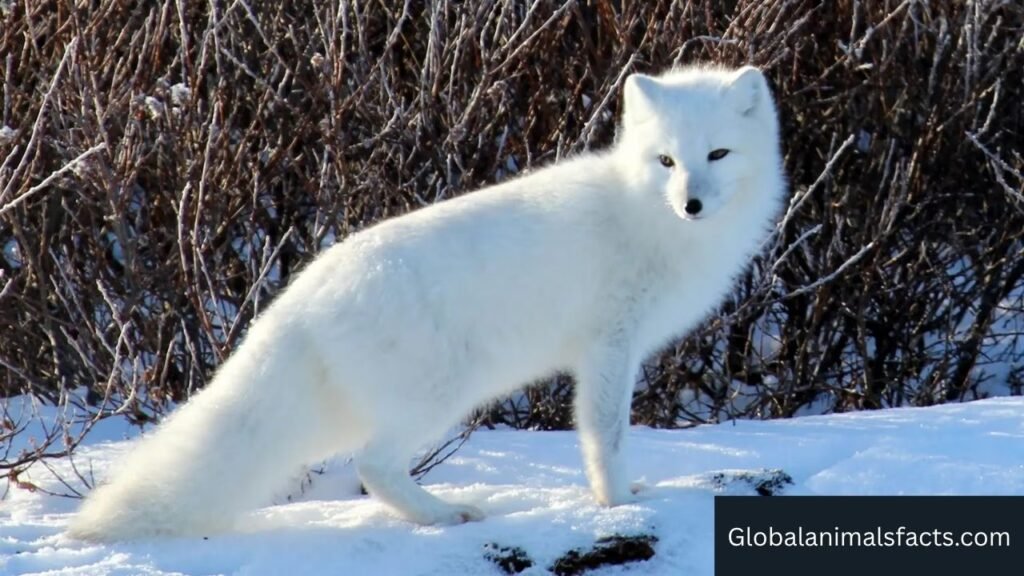
Beyond its stunning physical adaptations, the Arctic fox exhibits fascinating social behaviors. Often seen scavenging alongside polar bears, they have a remarkable ability to sense opportunities in their frigid terrain. With enhanced hearing, they can detect prey even under layers of snow, showcasing a sophisticated hunting strategy. Their playful nature fosters social bonds within small family groups, highlighting a layer of emotional intelligence that underlines their survival.
Norwegian Forest Cat
Class: Mammalia
Diet: Carnivorous
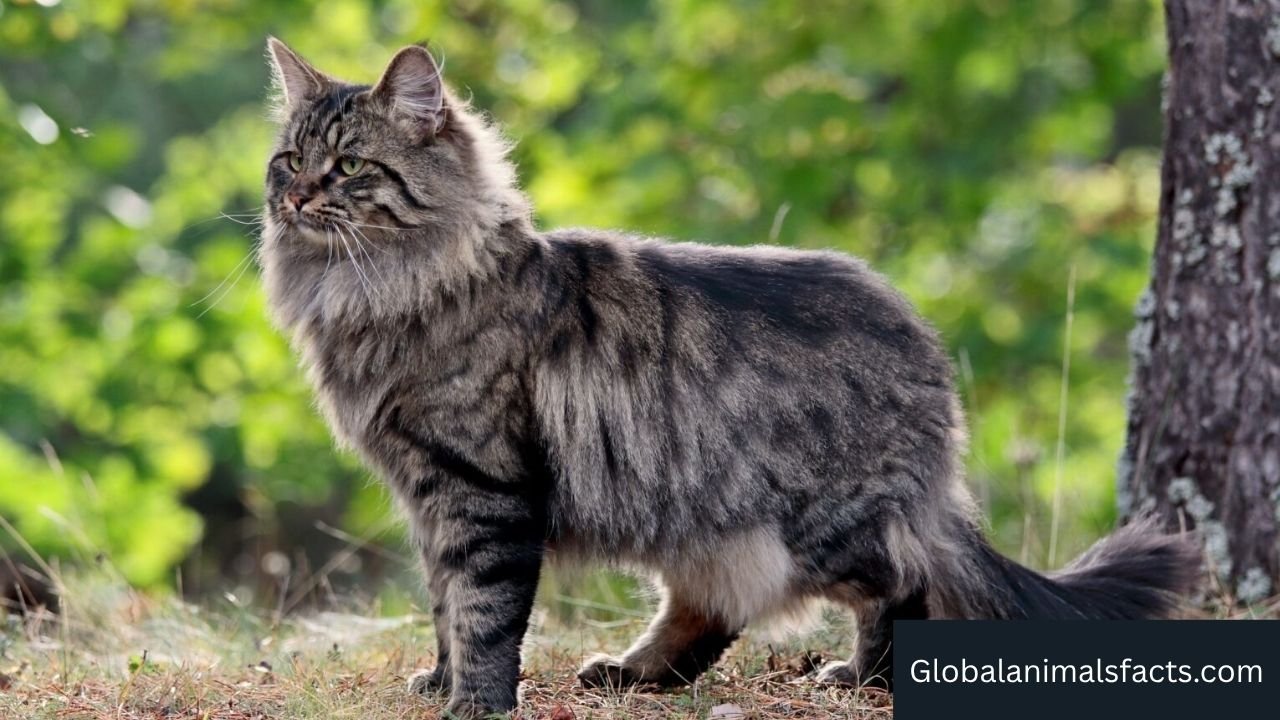
The Norwegian Forest Cat, a breed steeped in legend and history, boasts a striking coat that’s more than just beautiful; it’s a marvel of evolution. This breed, known for its thick, water-repellent fur, was designed to thrive in the harsh climates of Scandinavia, where snow and rain are regular visitors. The double-layered fur not only insulates them against the cold but also aids in shedding moisture, allowing these cats to roam freely in wet and wild environments.
Beyond their physical prowess, Norwegian Forest Cats are characterized by their gentle, playful demeanor. Often regarded as the “gentle giants” of the cat world, they possess an innate curiosity that drives them to explore their surroundings. This playful nature, combined with their intelligence, makes them exceptional companions. Unlike many other cat breeds, they often enjoy being involved in household activities, from playing fetch to engaging in interactive games.
As guardians of their homes, these felines have a rich repertoire of vocalizations, from soft trills to expressive chirps. Their unique sounds not only reflect their moods but also serve to strengthen their bond with their human companions. Whether they’re seeking attention with a gentle nudge or playfully bounding through the snow, Norwegian Forest Cats bring a delightful blend of charm and companionship that resonates with cat lovers worldwide.
Afghan Hound
Class: Mammalia
Diet: Omnivorous
The Afghan Hound, with its majestic, flowing coat, embodies elegance and grace in the canine world. Originating from the rugged terrains of Afghanistan, this breed was traditionally used for hunting large game, showcasing not only beauty but also remarkable speed and agility. Their long, silky fur, which requires diligent grooming, serves a purpose beyond aesthetics; it acts as insulation against harsh weather, highlighting their adaptability to extreme conditions.
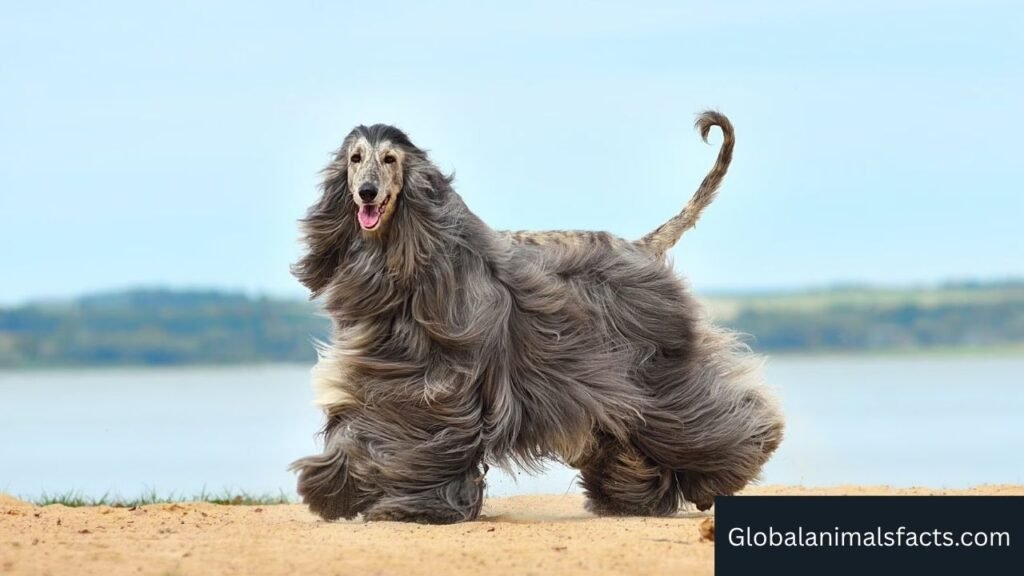
What truly sets the Afghan Hound apart is its unique personality. Often described as aloof yet affectionate, this breed possesses a dignified demeanor that can be both regal and playful. Their independent nature can sometimes mislead pet owners into thinking they are standoffish, but an Afghan Hound nurtured with love reveals a playful spirit and deep loyalty. Celebrated for their intelligence, these dogs thrive in environments where their adventurous instincts can flourish, making them ideal companions for active families who appreciate their distinctive charm and regal presence.
Mountain Goat
Scientific Name: Oreamnos americanus
Class: Mammalia
Diet: Herbivorous
Mountain goats are truly remarkable creatures, not just for their impressive climbing abilities but also for their unique fur adaptations. Their thick, white coats are designed to insulate them against frigid mountain temperatures, acting as a shield against biting winds and snow. Interestingly, this fur isn’t merely for warmth; it serves as camouflage among the rocky terrains, allowing them to blend seamlessly into their alpine habitats. This strategic coloration is crucial for evading predators and navigating harsh environments.
In addition to their fur, mountain goats possess specialized hoof structures that contribute to their agility on steep cliffs, making it seem effortless as they traverse rocky outcrops. Their hooves have a soft, rubbery pad that provides traction, ensuring that they can maintain their footing even in the most precarious situations. This fascinating combination of fur and physical adaptations not only highlights the mountain goat’s resilience but also underscores the intricate relationship between animal morphology and environmental survival.
Angora Rabbit
Scientific Name: Oryctolagus cuniculus
Class: Mammalia
Diet: Herbivorous
The Angora rabbit, a marvel of nature, captivates not just with its stunningly soft fur but also with its unique characteristics. Originating from Ankara, Turkey, these rabbits have been bred for centuries primarily for their luxurious wool, which can be spun into exquisite yarn. Unlike typical rabbits, Angoras have a rich history intertwined with the textile industry, making them pastoral companions and sources of artisanal delight. Their long, fluffy fur grows continuously, requiring regular grooming, which creates a unique bond between the rabbit and its caretaker.
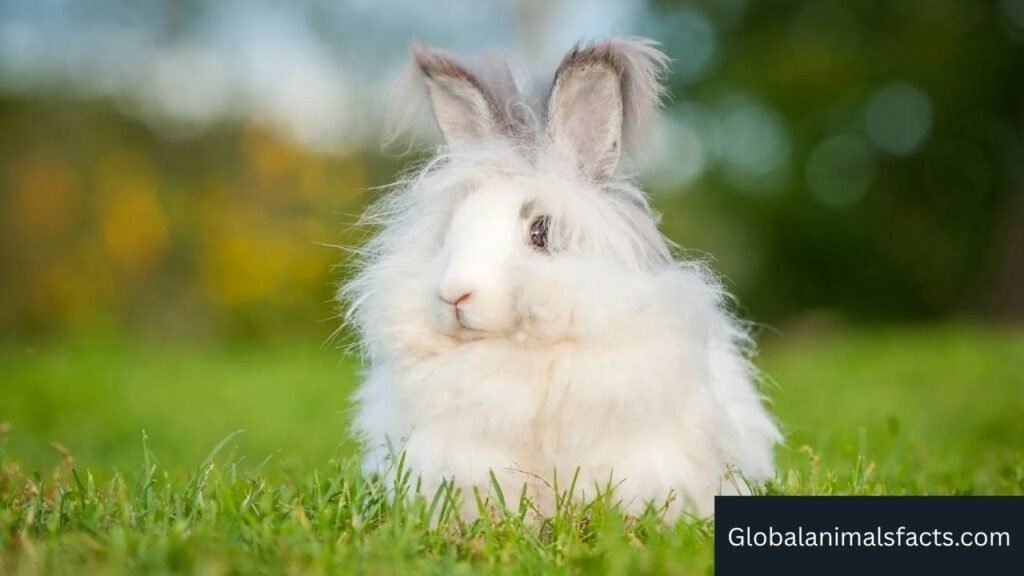
Beyond their fur, Angora rabbits showcase distinct personalities that can challenge common perceptions of ‘pet’ animals. They are known for their gentle, affectionate demeanor, often forming strong attachments with their human companions. This social nature makes them delightful pets, but it also requires dedicated care and attention. Moreover, their playful antics and inquisitive behavior can enliven any home, turning an ordinary day into a delightful adventure. As you brush their silky coats, you’re not just tending to their physical needs, but also nurturing a connection that transcends the ordinary pet-owner relationship.
Yak
Scientific Name: Bos grunniens
Class: Mammalia
Diet: Herbivorous
The yak, a magnificent creature native to the high-altitude plateaus of Central Asia, embodies resilience and adaptability. Its thick, long fur serves not only as protection against the biting cold of the Tibetan plateau but also as a resource for local communities.
Beyond their utility, yaks are also fascinating in their social structures. They thrive in matriarchal groups, with females often guiding herds through treacherous terrains and ensuring the safety of their young. This social bonding enhances their survival in extreme climates, showcasing the depth of their instincts and relationships. Observing these interactions offers a glimpse into the intricate balance of life in harsh environments, reminding us of the delicate ecosystems that exist beyond our immediate surroundings.
Sea Otter
Scientific Name: Enhydra lutris
Class: Mammalia
Diet: Carnivorous
Sea otters are captivating creatures that exemplify the remarkable adaptations of marine life, particularly through their fur. Unlike other marine mammals, their dense, waterproof fur — housing up to a million hair strands per square inch — acts as an insulator. This extraordinary coat not only keeps them warm in icy waters but also highlights their grooming habits; sea otters spend a significant amount of time maintaining their fur to ensure it remains oily and buoyant.
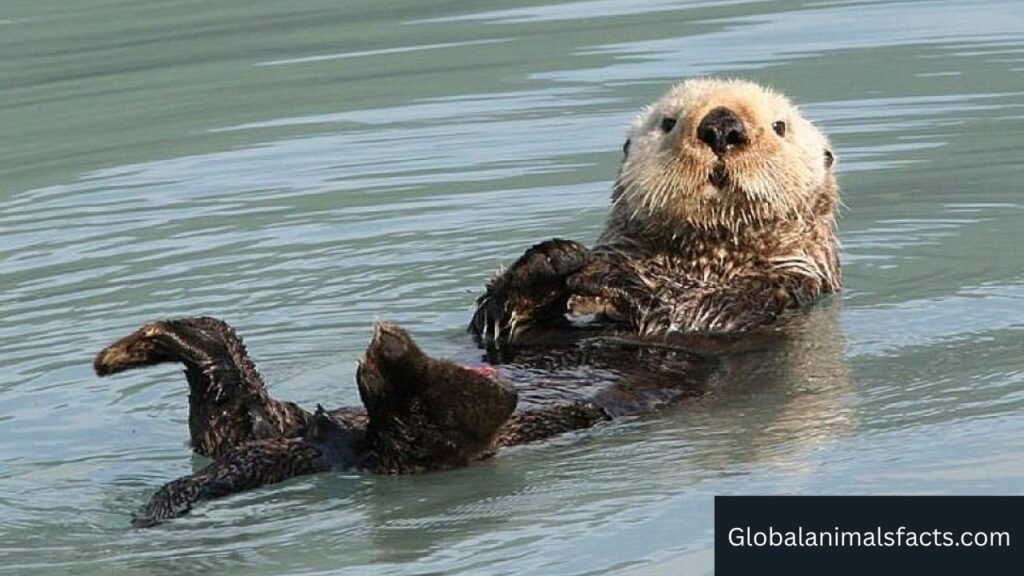
Sea otters are also an indicator species, meaning their health reflects the state of marine ecosystems. By controlling sea urchin populations, they play a crucial role in maintaining kelp forests, which are vital habitats for countless marine species. Their foraging behavior — using tools like rocks to crack open shellfish — showcases not only their intelligence but also the evolutionary significance of dexterity in survival.
Snow Leopard
Scientific Name: Panthera uncia
Class: Mammalia
Diet: Carnivorous
The snow leopard, often dubbed the “ghost of the mountains,” is as elusive as it is fascinating. Its thick, luxurious fur is not just for beauty; it serves a crucial function in its harsh environment, providing insulation against the bitter cold of high-altitude habitats. Each snow leopard is adorned with a unique coat pattern of smoky-gray and black rosettes, allowing it to blend seamlessly into its rocky surroundings. This camouflage is essential for both hunting and avoiding detection, a characteristic that underlines the snow leopard’s reputation as a masterful predator.
Beyond their striking appearance, snow leopards possess remarkable adaptations such as oversized nasal cavities that allow for efficient breathing in thin mountain air and long tails that aid in balancing on steep terrain. Sadly, they face threats from habitat loss and poaching, emphasizing the urgent need for conservation efforts. In understanding the snow leopard, we glimpse the intricate web of life that thrives in the world’s highest reaches, reinforcing our responsibility to protect these majestic guardians of the mountains.
Alaskan Malamute
Class: Mammalia
Diet: Omnivorous
The Alaskan Malamute, often mistaken for a husky, boasts a striking presence with its thick, plush coat designed for extreme cold. This noble breed was originally developed by the Mahlemuts, an Inuit tribe, to haul heavy sleds across the rugged terrain of Alaska. Their fur isn’t just for looks; it insulates against frigid temperatures, making them superb companions for those who appreciate the great outdoors.
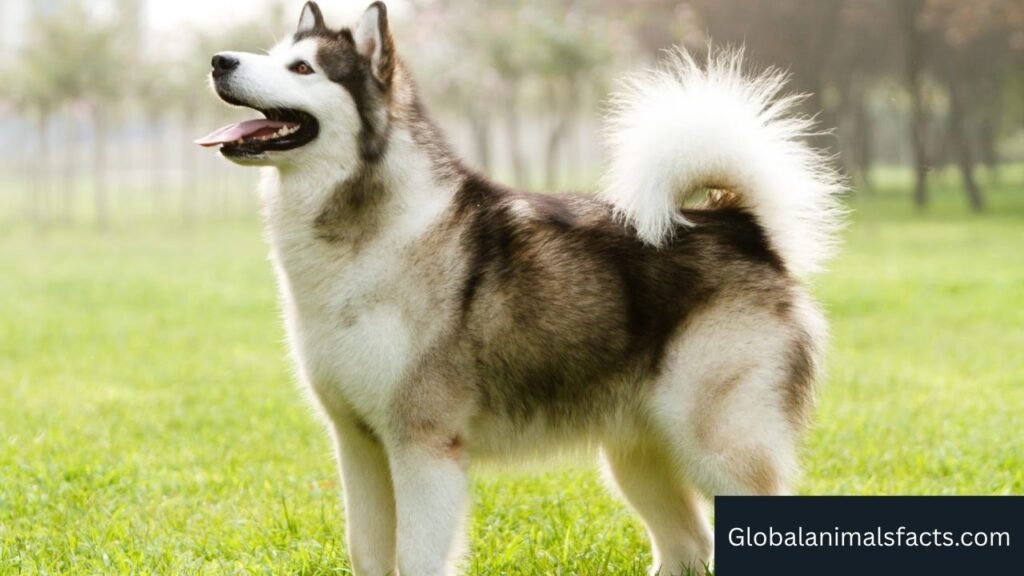
What sets the Malamute apart is its remarkable blend of strength and endurance combined with a surprisingly gentle demeanor. These dogs thrive on companionship, forming deep bonds with their families. Their playful nature is infectious, making them wonderful playmates for children and active partners in outdoor adventures. However, their intelligence requires mental stimulation, challenging owners to engage them with tasks and training that keep their minds sharp.
Wolverine
Scientific Name: Gulo gulo
Class: Mammalia
Diet: Carnivorous
The wolverine, often misunderstood due to its fierce reputation, is a remarkable creature that embodies resilience in the face of harsh environments. Known for its stocky build and thick fur, it thrives in cold, rugged terrains, primarily across the northern boreal forests and tundra. This underrated member of the weasel family has an impressive metabolism, allowing it to traverse vast areas in search of food, including carrion, small mammals, and even the occasional larger prey. Its ability to cover distances up to 15 miles in a single day showcases both its tenacity and adaptability.
What truly sets the wolverine apart is its role as a scavenger and predator, significantly influencing the ecosystems it inhabits. By consuming leftover carcasses, it helps maintain the health of its environment, ensuring that nutrients are recycled efficiently. Its solitary nature adds to the mystique of the species; the wolverine is often spotted roaming alone, a testament to its independence and survival skills.
Arctic wolf
Scientific Name: Canis lupus arctos
Class: Mammalia
Diet: Carnivorous
The Arctic wolf, a true embodiment of resilience, thrives in one of the harshest environments on Earth. With its thick, multilayered fur that ranges from pure white to gray, this majestic creature seamlessly blends into its icy surroundings. This adaptation isn’t merely for camouflage; it acts as an insulator, trapping air to keep the wolf warm during the frigid northern winters.
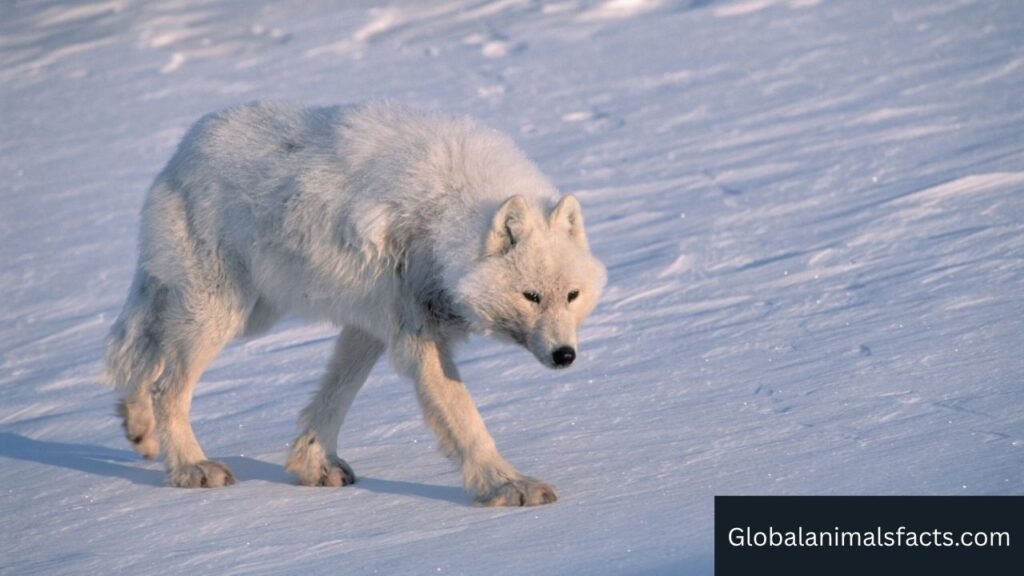
Moreover, Arctic wolves possess an intriguing social structure that is often overlooked. They typically roam in smaller packs compared to their more temperate counterparts, which allows for efficient hunting strategies tailored to the vast, open tundra. These social bonds are crucial, especially when raising pups in a challenging landscape where food can be scarce.
Readmore: Explore Top 16 Animals With Pouches.
Final Thoughts
The diversity of fur-bearing animals showcases the incredible adaptations that allow them to survive and flourish in our world. They not only enrich our lives with their presence but also contribute significantly to the balance of nature. Understanding and protecting these animals is essential, as they face numerous threats from habitat loss to climate change. By spreading awareness and supporting conservation efforts, we can make a difference in ensuring their survival. Let’s take action now to safeguard these precious animals and the ecosystems they inhabit.
FAQs
What animals have fur?
Fur is a feature primarily found in mammals. Most mammals, including dogs, cats, bears, and rabbits, have fur as a means of insulation and protection. It helps regulate their body temperature and provides a layer of defense against environmental elements. Some marine mammals, like seals and otters, also have fur, albeit adapted for their aquatic lifestyles. Even some primates possess fur, although it may vary in density and texture.
What is the hairiest animal in the world?
The sea otter is often considered the hairiest animal in the world. With up to a million hair follicles per square inch, their dense fur serves a vital purpose. It provides insulation in icy waters, keeping them warm while they hunt for food. Unlike most marine mammals, sea otters don’t have a layer of blubber. Instead, they rely on their thick fur to maintain body heat. This incredible coat not only makes them super cute but also plays a crucial role in their survival in cold ocean environments.