Top 15 Grumpy Animals in The World (With Images)
In our exploration of Grumpy Animals in the World, we’ll unravel the stories behind these displeased faces and examine what makes them tick. This article not only highlights their endearing quirks but also emphasizes the importance of emotional expression in the animal kingdom. Prepare to be entertained and enlightened as we dive into the delightful realm of disgruntled wildlife!
List of Grumpy Animals In The World
Below is the list of most grumpiest animals in the world:
| Number of Animals | Names of Most Grumpy Animals |
| 1 | Wolverine |
| 2 | Honey badger |
| 3 | Wild boar |
| 4 | Cape Buffalo |
| 5 | Raccoon |
| 6 | Gorilla |
| 7 | Pallas’s Cat |
| 8 | Tasmanian devil |
| 9 | Bison |
| 10 | Moose |
| 11 | Blobfish |
| 12 | African honey bee |
| 13 | Jaguar |
| 14 | Kangaroo |
| 15 | Slow loris |
Wolverine
Scientific Name: Gulo gulo
Class: Mammalia
Diet: Carnivore
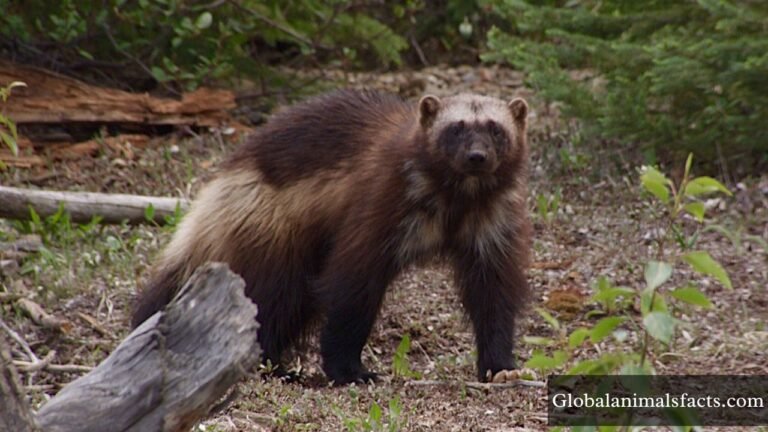
The wolverine, with its stocky build and thick fur, is often mistaken for a small bear, but this ferocious creature embodies a unique blend of strength and tenacity. These solitary animals roam the rugged terrains of the northern wilderness, where their grumpy demeanor serves them well. Wolverines exude a palpable aura of feistiness; they can tackle prey larger than themselves, including deer and even the occasional moose. This audacity not only defies the odds but reveals a resilient survival instinct that’s as fascinating as it is intimidating.
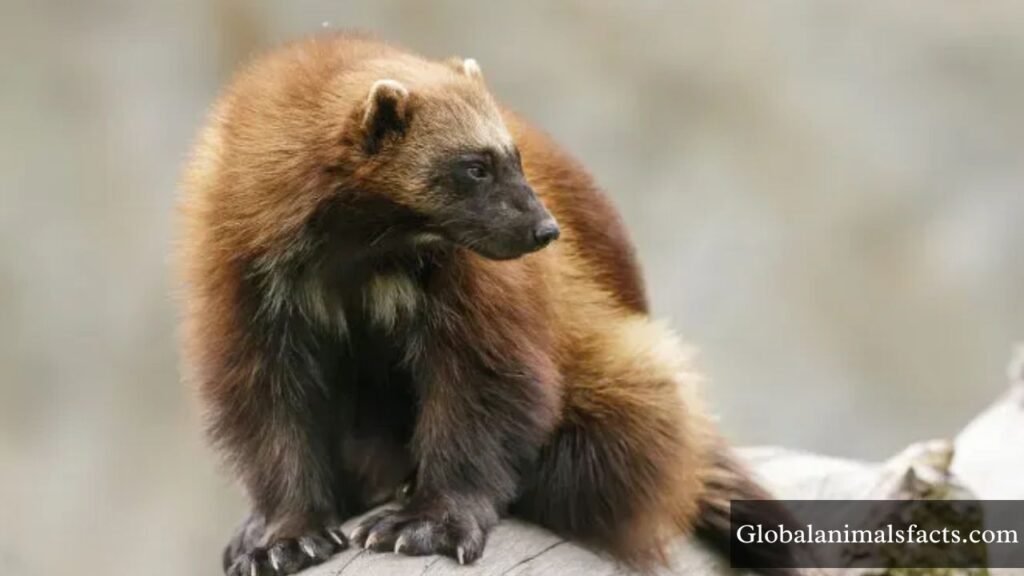
What sets wolverines apart is their remarkable stamina and fierce territorial nature, often leading them into confrontations with predators much larger than they are. This grumpiness isn’t just attitude — it’s a crucial survival mechanism, ensuring that they claim their territory and resources. Their raucous growls and distinct posturing are not just for show; they signal their readiness to defend their domain against intruders. In a world where gentle giants thrive, the wolverine stands resiliently alone, reminding us that sometimes, a bit of grumpiness can be the key to survival in a harsh landscape.
Honey badger
Scientific Name: Mellivora capensis
Class: Mammalia
Diet: Omnivore
The honey badger, often dubbed the world’s most fearless creature, has earned its grumpy reputation through its fierce independence and unapologetic demeanor. Known for taking on adversaries much larger than itself, this small but mighty mammal embodies resilience. It’s not merely a product of its ferocity; its tenacity is a survival strategy honed in the harsh environments of Africa and Asia, where predators abound and resources are sparse. Watching a honey badger fend off a lion or a pack of hyenas isn’t just a testament to its physical prowess but an intriguing glimpse into its bold personality.
This grumpy creature also showcases remarkable intelligence and adaptability. Honey badgers are notorious for their remarkable problem-solving skills, often using tools like sticks or stones to access food. Their diet is diverse, comprising everything from venomous snakes to bees and fruits, showcasing their resourcefulness and versatility. Their unrelenting spirit isn’t fueled just by hunger or survival; it’s a reflection of their inherent curiosity and the relentless quest for exploration. In the animal kingdom, the honey badger is more than a grumpy outsider; it’s a symbol of determination, teaching us that resilience can come in the most unexpected packages.
Wild boar
Scientific Name: Sus scrofa
Class: Mammalia
Diet: Omnivore
Wild boars, with their bristled backs and formidable tusks, embody a unique blend of rugged resilience and unmistakable grumpiness. Their perpetual scowl can often mislead observers into thinking of them as mere villains of the animal kingdom, yet this demeanor serves a protective purpose. In their natural habitat, wild boars must constantly navigate threats from predators and humans alike; their irritable expressions are akin to a ‘don’t mess with me’ warning to potential challengers.
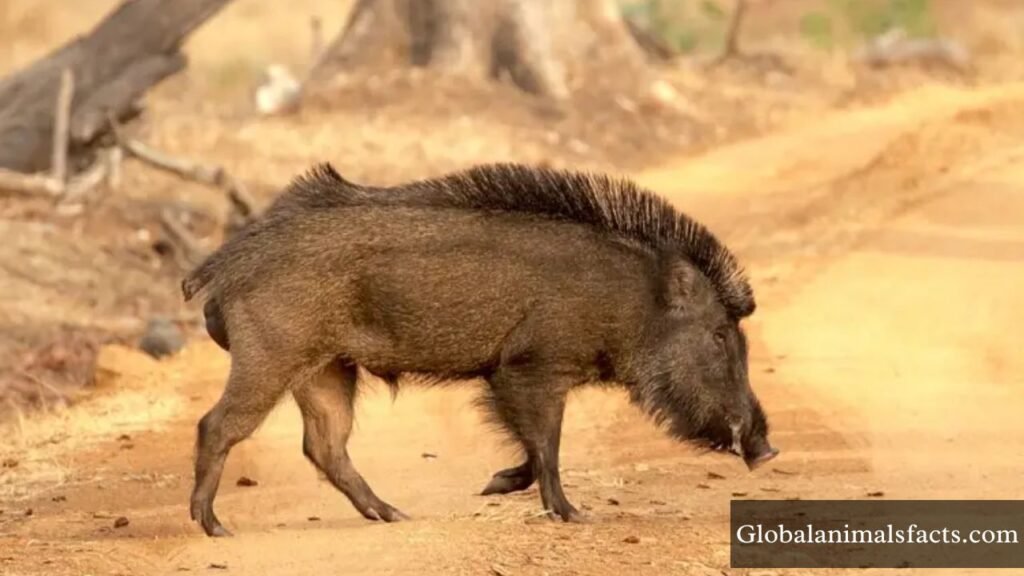
Interestingly, these creatures are highly social and possess a complex communication system. Underneath that grumpy exterior lies a strong familial bond, often foraging in groups and raising their young with remarkable care. Their grumpiness is a facade, hiding a robust social structure where boar families work in concert to find food and defend their territory. Observers might find it fascinating how a creature often categorized as a “grumpy brute” can also display moments of playfulness, especially among young boars, who dart and wrestle in the mud, shedding their serious skin in the process.
Readmore: Explore Top 15 Hard Working Animals in The World.
Cape Buffalo
Scientific Name: Syncerus caffer
Class: Mammalia
Diet: Herbivore
Cape buffalo, with their imposing size and fierce demeanor, epitomize the term “grumpy.” Far more than just a curmudgeonly-looking creature, these massive mammals embody a complex social structure often misunderstood. Their herd dynamics reveal a tight-knit community where bonds are forged through cooperation, and individuals display a surprising resilience to threats. Observing a herd in the wild, one might notice the protective behavior of the matriarchs, who display a watchful grumpiness when any danger approaches, demonstrating that their fierce exteriors conceal a deep care for the well-being of their kin.
Moreover, Cape buffalo are not mere complacent grazers; their grumpy exterior serves as a strategic advantage. With powerful, curved horns capable of defending against predators like lions, these animals have evolved to embody an indomitable spirit.
Raccoon
Scientific Name: Procyon lotor
Class: Mammalia
Diet: Omnivore
When you think of grumpy animals, the raccoon effortlessly fits the bill with its perpetually uninterested expression and unique knack for mischief. Known for their dexterous paws and masked faces, these creatures often emerge at night, revealing their cantankerous charm. Their reputation for rummaging through trash gives them a scrappy persona — yet there’s a surprising intelligence lurking behind those piercing eyes. Raccoons possess an exceptional memory that allows them to remember solutions to tasks for at least three years, making them much more than just adorable bandits.
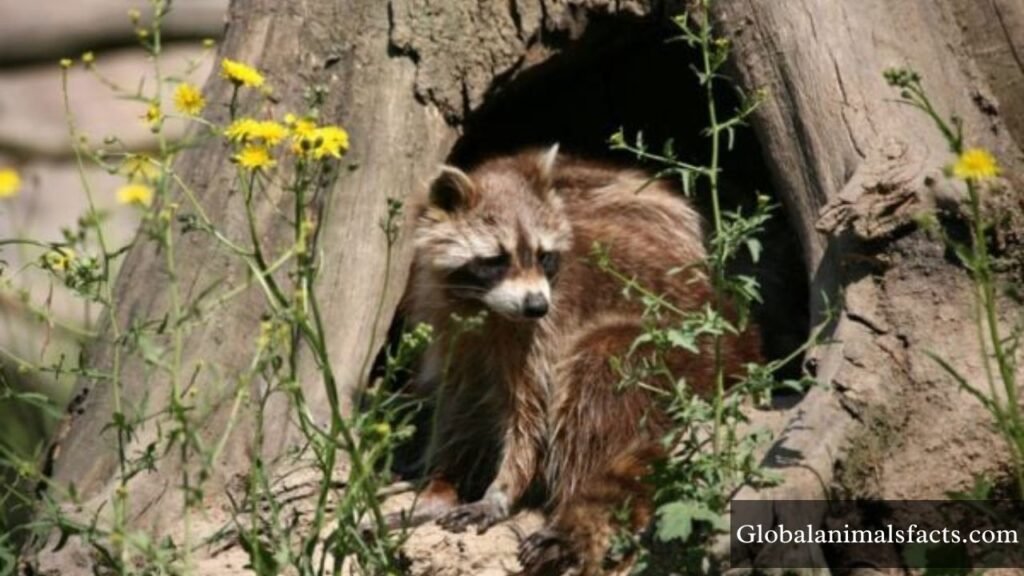
Moreover, their distinctive social behavior adds another layer to their character. Often seen solo, raccoons can also exhibit a surprising level of sociability when foraging or faced with food. There’s an intriguing contrast between their grumpy demeanor and the amusing antics they display when engaged in playful activities. Observing a raccoon deftly maneuvering a trash bin or attempting to cleverly escape a predicament showcases the complexity of their personalities — elevating them from mere scavengers to mischievous geniuses of the night.
Gorilla
Scientific Name for Western gorilla: Gorilla gorilla
Scientific Name for Eastern gorilla : Gorilla beringei
Class: Mammalia
Diet: Herbivore
Gorillas, often seen as the gentle giants of the animal kingdom, can occasionally display a surprisingly grumpy demeanor. This behavior isn’t mere moodiness; it often signals complex emotions deeply rooted in their social structures. When a gorilla puffs its chest or furrows its brow, it’s not just for show. These expressions can indicate stress or irritation, typically arising from territorial disputes or social hierarchies within their group. In these moments, the interplay of power dynamics becomes apparent, showcasing the intricacies of their social life and the challenges they face in the wild.
Interestingly, the grumpiness of gorillas can also serve a purpose within their communities. A displeased silverback may use its stern demeanor to establish authority and maintain order among younger members. In contrast, playful juvenile gorillas often approach these moments with humor, crafting an engaging dynamic where the overall tone can quickly shift. By observing these interactions, we gain insight not only into their emotional range but also into the strength of their social bonds, revealing a rich tapestry of relationships that extend far beyond simple expressions of irritation.
You can also read: Explore Top 11 Animals Without Eyes.
Pallas’s Cat
Scientific Name: Otocolobus manul
Class: Mammalia
Diet: Carnivore
With its squished face and perpetually frowning expression, the Pallas’s cat — also known as the manul — captures the essence of grumpiness like no other. This small, wild feline hails from the steppes of Central Asia, where its stout body and thick fur help it endure harsh climates. When you catch a glimpse of its glaring eyes and flat nose, you can’t help but chuckle at its uncanny resemblance to a discontented housecat.
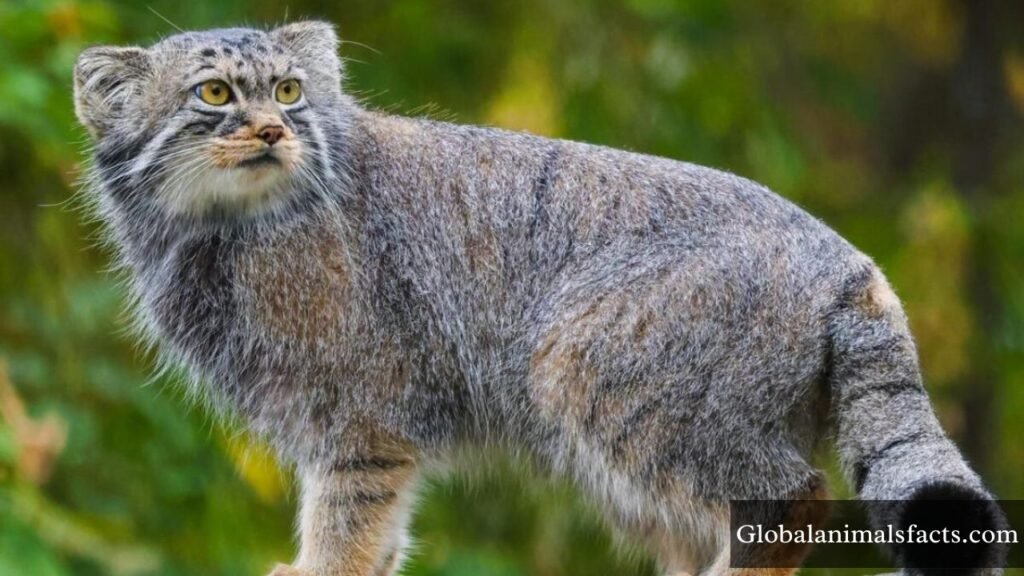
Beyond its adorably sour demeanor, the Pallas’s cat possesses remarkable adaptations for survival. Its long fur isn’t just for show; it provides insulation against biting cold, while its short legs allow it to navigate rocky terrain efficiently. Yet, despite its fierce hunting skills and ability to blend into the landscape, this grumpy critter remains elusive.
Tasmanian devil
Scientific Name: Sarcophilus harrisii
Class: Mammalia
Diet: Carnivore
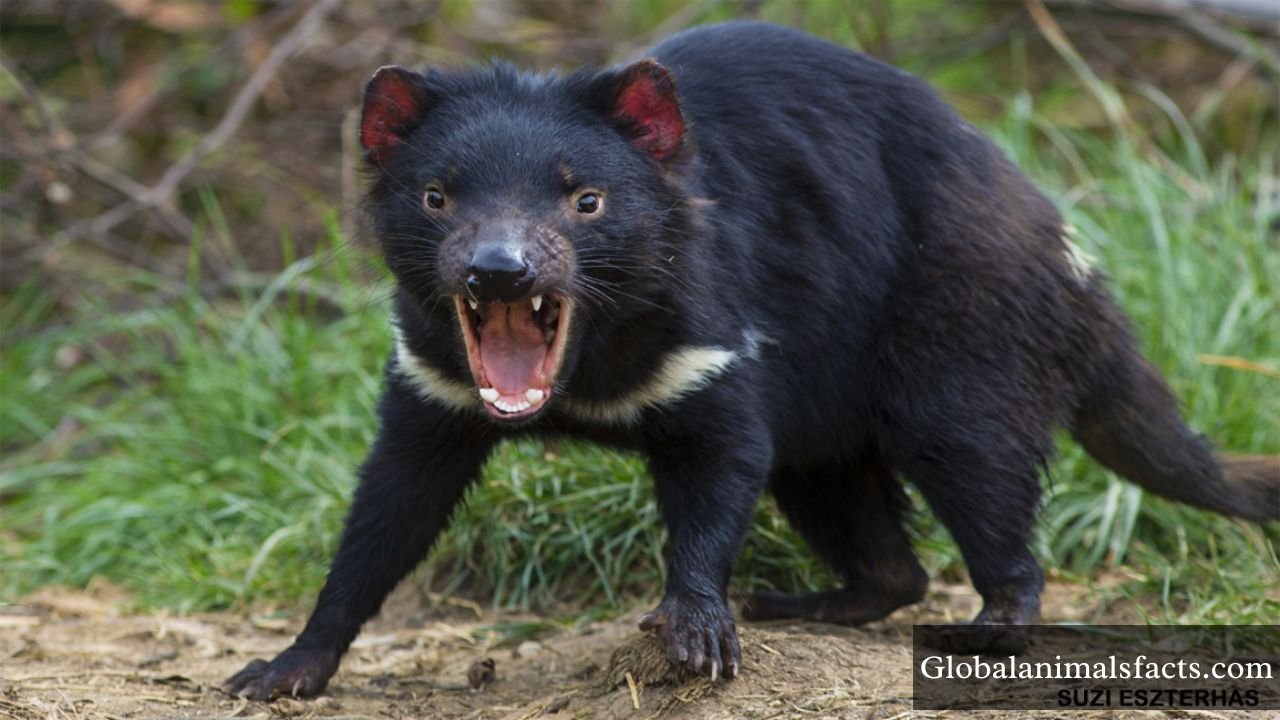
With their notorious growls and temperamental demeanor, Tasmanian devils embody the essence of grumpiness in the animal kingdom. These nocturnal marsupials possess a unique characteristic: a complex vocal range that includes growls, snarls, and unearthly screams, creating an eerie atmosphere in the dark Tasmanian forests. Their vocalizations are not merely for show; they are integral to their social interactions, especially during feeding frenzies where the sound of their bickering can be heard echoing through the woods.
Yet, behind the grumpy facade lies a fascinating survival strategy. Tasmanian devils play a crucial role as scavengers, consuming carrion and helping control disease in their habitat. Their notorious bite strength allows them to tear through tough hides, showcasing a raw, rugged tenacity. This physical prowess might be the key to their grumpy attitude; after all, such a fierce nature is essential for thriving in a competitive ecosystem, where food is scarce and survival is paramount. Embracing their inner grump may just be the Tasmanian devil’s secret to thriving against the odds.
Bison
Scientific Name for American bison: Bison bison
Scientific Name for European bison: Bison bonasus
Class: Mammalia
Diet: Herbivore
Bison are often depicted as the quintessential symbols of the American West, but delve deeper, and you’ll find their grumpy demeanor is equally fascinating. With their massive frames and shaggy coats, these wild giants exude a formidable presence, embodying the raw essence of untamed nature. Yet, it’s the bison’s unpredictable temperament that catches the attention of both wildlife enthusiasts and casual observers alike. When faced with perceived threats, their powerful snorts and menacing glares can be a reminder of how easily awe can turn into respect, or even fear.
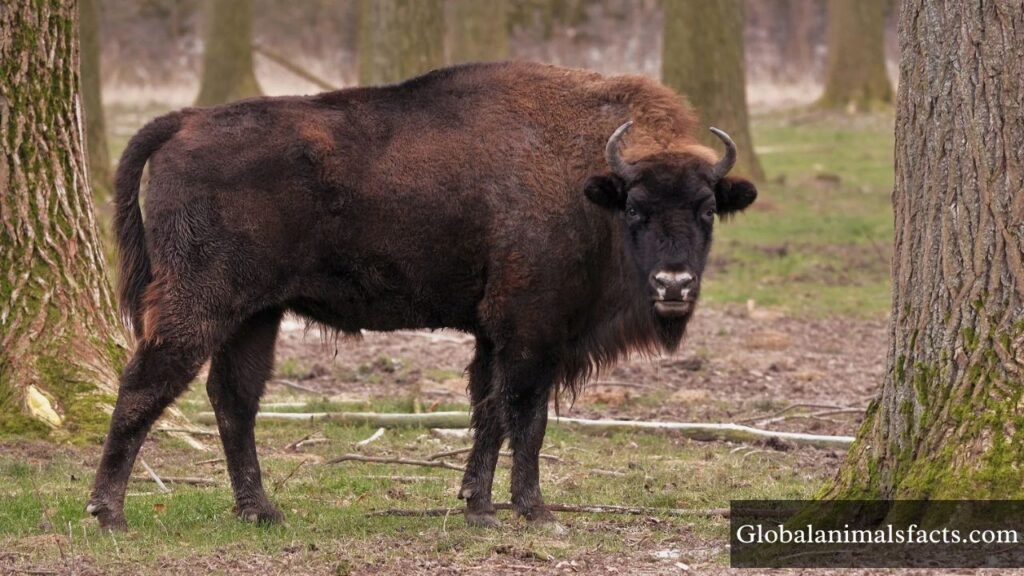
What’s particularly captivating is how their moods reflect the balance of their environment. In herds, bison display a complex social hierarchy, with grumpy individuals often standing guard, asserting their dominance while warding off potential threats. These leaders, be it a sullen bull or a disgruntled matriarch, play crucial roles in the herd’s dynamics, safeguarding the wellbeing of younger members.
Also read: Explore Top 22 Sneaky Animals in The World.
Moose
Scientific Name: Alces alces
Class: Mammalia
Diet: Herbivore
Moose, often seen lumbering through the forests of North America, wear their grumpiness like a badge of honor. Their imposing antlers and bulky stature exude a sense of regality, yet they tend to have a perpetually furrowed brow. This is less about a bad mood and more about their instinctual need to navigate a world teeming with threats — from predators to human encroachment. Observers might notice that when a moose stares intently, it’s a tactical decision: they’re scanning for danger rather than sulking.
But this seemingly irritable demeanor belies a fascinating adaptability. Contrary to their grumpy exterior, moose are remarkably resilient creatures, thriving in diverse habitats, from dense forests to marshy wetlands. Their expressions might evoke sympathy, but they are strategists, efficiently foraging and conserving energy during harsh winters. Those moments when they appear annoyed often signal their keen awareness of their surroundings, making them captivating subjects for wildlife watchers.
Blobfish
Scientific Name: Psychrolutes marcidus
Class: Actinopterygii
Diet: Carnivore
Blobfish, often dubbed the “world’s grumpiest animal,” has earned its reputation not just for its appearance but also for its unique adaptations to life in the deep sea. This gelatinous creature, residing at depths where pressure is crushing, showcases an astonishing evolutionary strategy: its body is largely made of a jelly-like substance that allows it to float just above the ocean floor without expending energy.
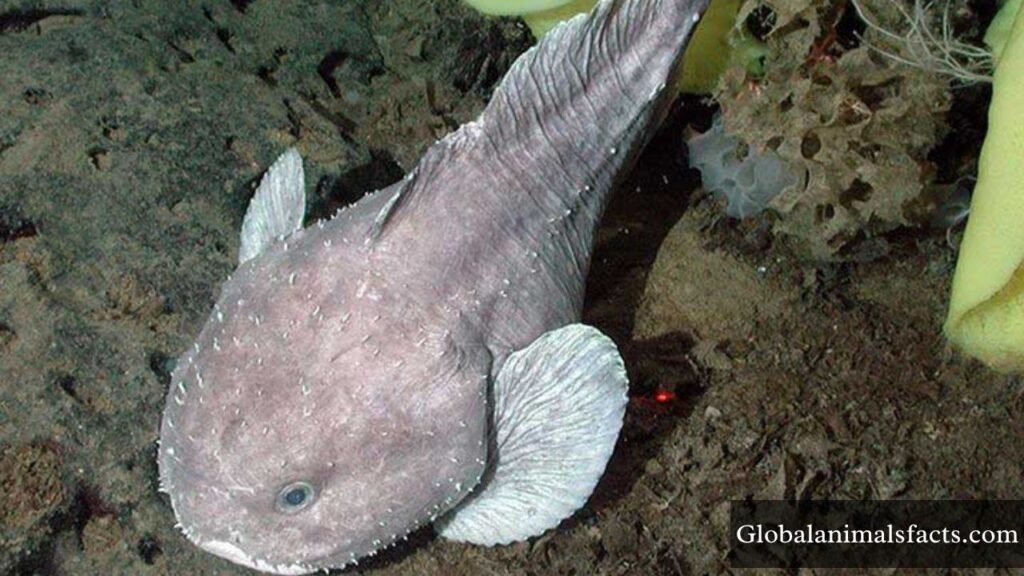
What truly captivates about the blobfish is its role in marine ecosystems. Despite its seemingly lifeless exterior, it plays a vital part in the complex food web, consuming small crustaceans and maintaining the balance of life in its deep-sea habitat.
African honey bee
Scientific Name: Apis mellifera scutellata
Class: Insecta
Diet: Herbivore
The African honey bee, often labeled as the grumpiest of nature’s creatures, embodies a fascinating blend of tenacity and agility. These bees are notorious for their heightened defensiveness compared to their European counterparts, a trait evolved from their need to protect their hives in a diverse and often perilous environment. This defensive nature isn’t just an intriguing quirk; it serves a crucial ecological purpose. These bees contribute significantly to pollination, fostering biodiversity in Africa’s rich ecosystems, where many plants depend on their diligent work to thrive.
Interestingly, the African honey bee’s temperament enhances its adaptability. While their aggressive reputation can instill fear, it also means that these bees are remarkably efficient at defending their territory from threats, such as pests and predators. This relentless drive to protect their colonies encourages a deeper understanding of resilience in the animal kingdom. Observing their behavior reveals that behind their seemingly grumpy demeanor lies a sophisticated social structure and communication system that ensures survival in the face of adversity — an inspiring reminder that even the most misunderstood creatures play vital roles in the tapestry of life.
You can also read: Explore Top 12 Animals That are Humble.
Jaguar
Scientific Name: Panthera onca
Class: Mammalia
Diet: Carnivore
The jaguar, with its powerful build and striking rosettes, often seems like the embodiment of perpetual discontent. This big cat roams the dense rainforests and riverbanks of South America, exuding an aura of grumpiness that captivates observers. Unlike the more social lions, jaguars thrive in solitude, making their demeanor appear downright cantankerous. Their piercing gaze and low growl suggest a creature who prefers to be left alone.
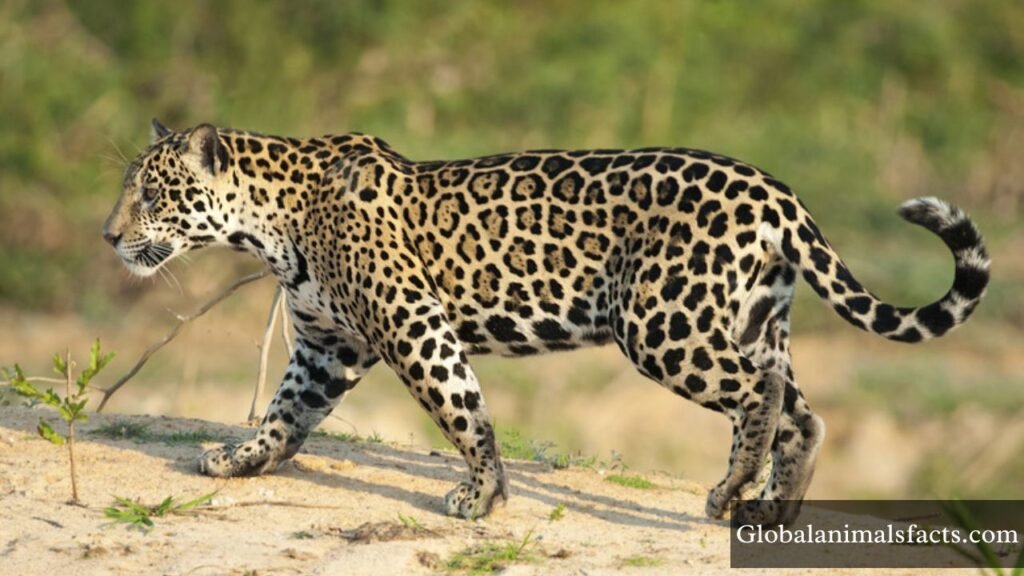
Yet, this solitary nature serves an essential purpose in the wild. Jaguars are apex predators, and their grumpy exterior makes them formidable hunters, stalking their prey with a stealth that echoes a bad mood. Their reluctance to interact can be interpreted as a focused determination, a testament to their expertise in the art of ambush.
Kangaroo
Scientific Name: Macropus
Class: Mammalia
Diet: Herbivore
Kangaroos, commonly perceived as cute and playful, sometimes display a surprising grumpiness that challenges their cuddly image. Observations of these marsupials reveal a range of attitudes: while hopping through the bush, they can unexpectedly exhibit signs of irritation, especially when provoked by curious onlookers or mischievous joeys. Their powerful hind legs aren’t just for leaping; they can deliver a fearsome kick when they feel threatened. This mix of gentleness and fierceness highlights the complexity of kangaroo behavior, often overshadowed by their popular portrayal in media.
Moreover, the grumpy demeanor of a kangaroo serves an essential purpose beyond mere personality traits. It’s a fascinating survival mechanism, a reminder of the wild nature that still reigns beneath their surface. When a kangaroo squints and thumps its tail, it’s not just annoyance — it’s a form of communication, signaling to others about potential dangers nearby.
Slow loris
Scientific Name: Nycticebus
Class: Mammalia
Diet: Omnivore
The slow loris, with its large, expressive eyes and whimsical appearance, may seem like a cute, cuddly creature at first glance. However, this primate embodies a grumpy persona that captivates anyone lucky enough to witness its unique behavior. Known for its deliberate movements, the slow loris doesn’t just embody the “slow” in its name; it’s a master of deliberate pacing, often taking its time to respond to environmental stimuli. This unhurried lifestyle is not just charming — it’s a survival tactic that helps it avoid predators in the dense forests of Southeast Asia.
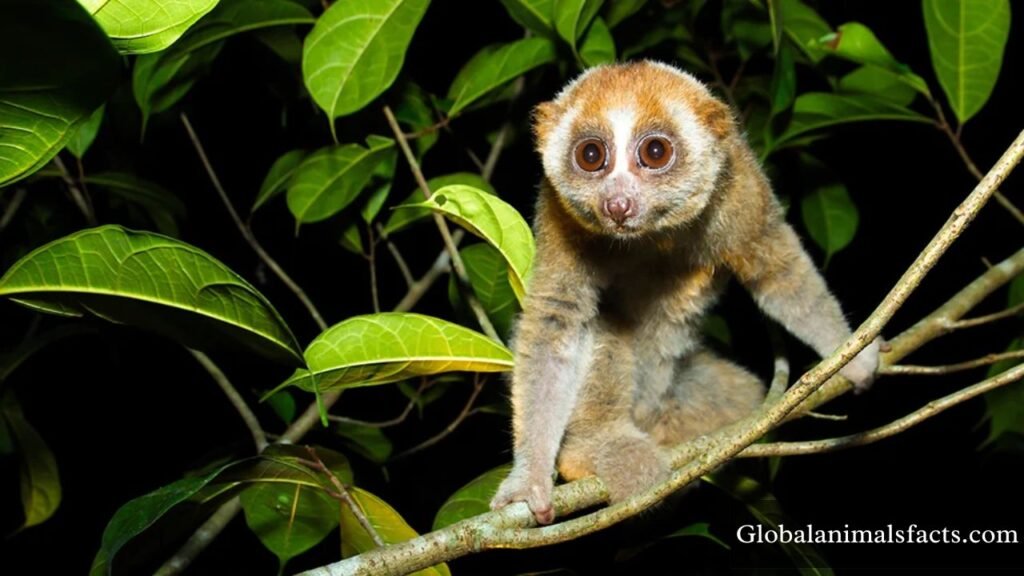
Despite their adorable façade, slow lorises have a surprisingly fierce side. They possess a venomous bite, an adaptation that allows them to deter threats and defend their territory. This unexpected ferocity adds layers to their character, transforming these seemingly grumpy animals into formidable opponents when provoked. As human encroachment threatens their habitats, understanding the slow loris’s duality — their endearing yet tough nature — becomes essential for conservation efforts. Protecting these fascinating creatures means embracing their grumpiness alongside their charm, highlighting the complexity of nature’s design.
Readmore: Explore Top 15 Cowardly Animals in The World.
Final Words
Grumpy animals are a fascinating facet of wildlife that sparks both curiosity and amusement. Their comical expressions and behaviors highlight the rich emotional lives of animals, reminding us that they too can have off days. These creatures serve as a reminder that personality can vary not just among humans but across species as well. Embracing the grumpiness of these animals can foster a deeper connection to nature and an understanding of animal welfare. So, keep your eyes peeled for the next grumpy critter you encounter, and don’t forget to share their charm with your community!
FAQs
What is the most grumpiest animal in the world?
Pallas’s cat, also known as the manul, is often regarded as the grumpiest animal in the world. With its flat face, round ears, and bushy cheeks, it exudes a permanent scowl that makes it look perpetually displeased. This petite wild cat, native to Central Asia, is known for its fierce attitude and solitary nature.
What is the most moody animal?
The wolverine is often considered one of the most moody animals due to its fierce temperament and solitary nature. These resilient creatures are known for their strong personalities, often displaying aggression when threatened. Their high energy and territorial behavior can make them seem unpredictable, which adds to their moody reputation. Despite their small size, wolverines aren’t afraid to take on larger predators, showcasing a boldness that can appear quite temperamental. They thrive in harsh environments and display a range of behaviors that reflect both their intelligence and their sometimes irritable dispositions.
Which animal is very angry?
The honey badger is often considered one of the angriest animals out there. Known for its fearless and aggressive behavior, this small but powerful creature doesn’t back down from challenges, whether it’s a venomous snake or a much larger predator. Their tenacity is legendary; they can even take on animals much larger than themselves without hesitation.
What animals are very aggressive?
Hippopotamuses are surprisingly aggressive despite their bulky appearance. They are territorial and can be extremely dangerous, capable of charging at speeds up to 30 mph. Their powerful jaws can crush bones, making them one of the most lethal animals in Africa, especially when they feel threatened. Honey badgers are notorious for their fierce temperament. They don’t back down from much, including larger predators like lions. With a thick skin and a fearless nature, they are known to attack anything that poses a threat, showcasing a unique blend of aggression and resilience. Cape buffalo are highly social and protective animals. They will fiercely defend their herd against predators, including lions. Their size and strength make them formidable opponents, and they’ve been known to charge at humans if provoked, solidifying their reputation as one of Africa’s most dangerous animals.